Take Messenia or Die Trying

Suda, s.v. Tyrtaios

“Tyrtaeus, a son of Arkhembrotos, Laconian or Milesian. An elegiac poet and an aulos player. The story goes that he used his songs to encourage the Spartans while they were fighting the Messenians and he made them stronger. He is really ancient, contemporaneous with the so-called Seven Sages, or even older. He peaked around the time of the 35th Olympiad. He wrote a Constitution for the Spartans and precepts in elegiac poems as a well as martial songs, 5 books worth.

Tyrtaeus: The Spartans swore to either seize Messenia or die trying. When Apollo prophesied that they should take a general from the Athenians, they took the poet Tyrtaeus, a disabled man. He helped them take Messenia by encouraging them to excellence. They razed the city and converted the warriors into Helots.”

Τυρταῖος, Ἀρχεμβρότου, Λάκων ἢ Μιλήσιος, ἐλεγειοποιὸς καὶ αὐλητής· ὃν λόγος τοῖς μέλεσι χρησάμενον παροτρῦναι Λακεδαιμονίους πολεμοῦντας Μεσσηνίοις καὶ ταύτῃ ἐπικρατεστέρους ποιῆσαι. ἔστι δὲ παλαίτατος, σύγχρονος τοῖς ἑπτὰ κληθεῖσι σοφοῖς, ἢ καὶ παλαίτερος. ἤκμαζε γοῦν κατὰ τὴν λέ ὀλυμπιάδα. ἔγραψε πολιτείαν Λακεδαιμονίοις, καὶ ὑποθήκας δι᾿ ἐλεγείας, καὶ μέλη πολεμιστήρια, βιβλία ε΄.

Τυρταῖος· ὅτι οἱ Λακεδαιμόνιοι ὤμοσαν ἢ Μεσσήνην αἱρήσειν ἢ αὐτοὶ τεθνήξεσθαι. χρήσαντος δὲ τοῦ θεοῦ στρατηγὸν παρὰ Ἀθηναίων λαβεῖν, λαμβάνουσι Τυρταῖον τὸν ποιητήν, χωλὸν ἄνδρα· ὃς ἐπ᾿ ἀρετὴν αὐτοὺς παρακαλῶν εἷλε τῷ κ΄ ἔτει τὴν Μεσσήνην. καὶ ταύτην κατέσκαψαν καὶ τοὺς αἰχμαλώτους ἐν τοῖς Εἵλωσι κατέταξαν.

Schol ad Plato Leges 1.629a-b

“That Tyrtaeus was Athenian, a humble person in his fortune. He was a teacher with a disability who was despised in Athens. Apollo prophesied to the Lakedaimonians to send for him–at that time when they were fighting the Messenians and were in great danger–because he would be just enough for them to figure out what would be advantageous. He ordered them to use him as an advisor.”

ὁ Τυρταῖος οὗτος Ἀθηναῖος ἐγένετο, εὐτελὴς τὴν τύχην· γραμματιστὴς γὰρ ἦν καὶ χωλὸς τὸ σῶμα, καταφρονούμενος ἐν Ἀθήναις. τοῦτον Λακεδαιμονίοις ἔχρησεν ὁ Ἀπόλλων μεταπέμψασθαι, ὅτε πρὸς Μεσσηνίους εἶχον τὴν μάχην καὶ ἐν ἀπορίᾳ κατέστησαν πολλῇ, ὡς δὴ ἱκανοῦ αὐτοῖς ἐσομένου πρὸς τὸ συνιδεῖν τὸ λυσιτελές· αὐτῷ γὰρ ἐπέτρεψε χρήσασθαι συμβούλῳ.

the biographical tradition that makes Tyrtaeus foreign to Laconia may be rooted in his poetic dialect. Tyrtaeus–unlike, say, Alcman–does not present a Doric dialect, but instead an Ionian dialect closer to the Panhellenic poetic forms favored by Homer and Hesiod. The stories attached to him can be seen, I think, as a individuated biographical allegory for Panhellenism.

East Greek [Ionian] perfume container shaped like a warrior's head with helmet. Clay/terracota head of warrior with helmet
East Greek [Ionian] perfume container shaped like a warrior’s head with helmet. 7th century BCE [?] Rhodes Archaeological Museum

Weeping for Youth

Anacreon, fr. 365

“My hair is gray already–
And at my temples it is white.
That charm of youth is no longer present
And my teeth are just old.

The great span of sweet life
isn’t left for me any more.

Now I often weep aloud,
Because I am afraid of Tartaros.
The inner hall of Hades is terrible
And the path to get there is hard.
One thing is certain:
The one who goes down, may not return.”

πολιοὶ μὲν ἡμὶν ἤδη
κρόταφοι κάρη τε λευκόν,
χαρίεσσα δ᾿ οὐκέτ᾿ ἥβη
πάρα, γηραλέοι δ᾿ ὀδόντες,
γλυκεροῦ δ᾿ οὐκέτι πολλὸς
βιότου χρόνος λέλειπται·

διὰ ταῦτ᾿ ἀνασταλύζω
θαμὰ Τάρταρον δεδοικώς·
Ἀίδεω γάρ ἐστι δεινὸς
μυχός, ἀργαλῆ δ᾿ ἐς αὐτὸν
κάτοδος· καὶ γὰρ ἑτοῖμον
καταβάντι μὴ ἀναβῆναι.

An oil painting: Orpheus is at the center next to an outline of eurydice, performing in front of Hades and Persephone in a cavern of sorts. There are other people listening on the margins.
Henryk Siemiradzki, “Orpheus in the underworld”

Anakreon Says, Hit it And Quit

Anacreonta 60b

“Come, my heart, why are you crazed
By that best kind of madness?
Come on, take your shot
So you can hit what you want and leave.

Let go of Aphrodite’s bow–
She used it to conquer the gods.
Imitate Anakreon,
The sweetest singer.
Tip a cup to the boys,
Your gorgeous cup of words.

Once we take some comfort
From the downing nektar,
We can run from the burning dogstar.”

ἄγε, θυμέ, πῇ μέμηνας
μανίην μανεὶς ἀρίστην;
τὸ βέλος, φέρε, κράτυνον,
σκοπὸν ὡς βαλὼν ἀπέλθῃς.

τὸ δὲ τόξον Ἀφροδίτης
ἄφες, ᾧ θεοὺς ἐνίκα.
τὸν Ἀνακρέοντα μιμοῦ,
τὸν ἀοίδιμον μελιστήν.
φιάλην πρόπινε παισίν,

φιάλην λόγων ἐραννήν·
ἀπὸ νέκταρος ποτοῖο
παραμύθιον λαβόντες
φλογερὸν φύγωμεν ἄστρον.

Close up of a red figure vase. Black background with an a nude archer in the foreground, aiming his bow to the left and drawing an arrow.
Archer, side B of an Attic red-figure eye-cup. Signed by Epiktetos as painter and by Pamphaios as potter.

Practice Makes Perfect?

Anacreonta 60a

“I will let my lyre sing.
There’s no contest now,
But practice is important for
Everyone who has seen
a flowering of their art.

I will play with my ivory pick,
Shouting along in a Phrygian measure,
Crooning a clear melody
Like some swan from the Kaustros,
Sounding a complex beat
along with the rushing wind.

Muse, dance with me:
For the kithara is Apollo’s sacred thing,
Like the bay and the tripod too.

My gossip is Apollo’s love,
That unrequited compulsion:
The girl remains safe.
She fled his weapons
And changed the nature of her form,
Rooting herself in the ground to grow.

Phoebus? Well, Phoebus arrived,
Imagining that he ruled the girl,
But he merely picked young leaves,
acting out the mysteries of Aphrodite.”

ἀνὰ βάρβιτον δονήσω·
ἄεθλος μὲν οὐ πρόκειται,
μελέτη δ᾿ ἔπεστι παντὶ
σοφίης λαχόντ᾿ ἄωτον.

ἐλεφαντίνῳ δὲ πλήκτρῳ
λιγυρὸν μέλος κροαίνων
Φρυγίῳ ῥυθμῷ βοήσω,
ἅτε τις κύκνος Καΰστρου
ποικίλον πτεροῖσι μέλπων
ἀνέμου σύναυλος ἠχῇ.

σὺ δέ, Μοῦσα, συγχόρευε·
ἱερὸν γάρ ἐστι Φοίβου
κιθάρη, δάφνη τρίπους τε.
λαλέω δ᾿ ἔρωτα Φοίβου,
ἀνεμώλιον τὸν οἶστρον·

σαόφρων γάρ ἐστι κούρα·
τὰ μὲν ἐκπέφευγε κέντρα,
φύσεως δ᾿ ἄμειψε μορφήν,
φυτὸν εὐθαλὲς δ᾿ ἐπήχθη·

ὁ δὲ Φοῖβος ᾖε, Φοῖβος,
κρατέειν κόρην νομίζων,
χλοερὸν δρέπων δὲ φύλλον
ἐδόκει τελεῖν Κυθήρην.

Fragment of mosaic. Daphne is running towards a laurel tree, parly close. Apollo is pursuing, but only his head is visible
Antakya Archaeological Museum Apollo and Daphne mosaic

Write This Down: You are the City. You Are the people

Aeschylus, Suppliants 179-180

“I suggest you safeguard my words by writing them on tablet in your minds”
αἰνῶ φυλάξαι τἄμ᾿ ἔπη δελτουμένας

Aeschylus, Suppliants, 200-204

“Don’t be too aggressive or broken in speech:
These people are especially ready to be angry.
Remember to be accommodating: you are a foreign refugee in need.
To speak boldly is not a fitting move for the weak.”

καὶ μὴ πρόλεσχος μηδ᾿ ἐφολκὸς ἐν λόγῳ
γένῃ· τὸ τῇδε κάρτ᾿ ἐπίφθονον γένος.
μέμνησο δ᾿ εἴκειν· χρεῖος εἶ, ξένη, φυγάς·
θρασυστομεῖν γὰρ οὐ πρέπει τοὺς ἥσσονας.

Aeschylus, Suppliants, 370-375

“You are the city, really. You are the people.
An unjudged chief of state rules
The altar, the city’s hearth,
With only your votes and nods,
With only your scepter on the throne
You judge every need. Be on guard against contamination!”

σύ τοι πόλις, σὺ δὲ τὸ δάμιον·
πρύτανις ἄκριτος ὢν
κρατύνεις βωμόν, ἑστίαν χθονός,
μονοψήφοισι νεύμασιν σέθεν,
μονοσκήπτροισι δ᾿ ἐν θρόνοις χρέος
πᾶν ἐπικραίνεις· ἄγος φυλάσσου.

File:Nicolas Bertin - The Danaides in Hell.jpg

The Danaides in hell, by Nicolas Bertin

Aeschylus, Suppliants 991-997

“Write this down with the many other notes
In your mind of the wisdoms from your father:
An unfamiliar mob is evaluated by time,
But everyone has an evil tongue prepared to lash out
over immigrants and speaking foully is somehow easy.
I advise you not to bring me shame
Now that you are in the age which turns mortal gazes.”

καὶ ταῦτα μὲν γράψασθε πρὸς γεγραμμένοις
πολλοῖσιν ἄλλοις σωφρονίσμασιν πατρός,
ἀγνῶθ᾿ ὅμιλον ἐξελέγχεσθαι χρόνῳ·
πᾶς δ᾿ ἐν μετοίκῳ γλῶσσαν εὔτυκον φέρει
κακήν, τό τ᾿ εἰπεῖν εὐπετὲς μύσαγμά πως.
ὑμᾶς δ᾿ ἐπαινῶ μὴ καταισχύνειν ἐμέ,
ὥραν ἐχούσας τήνδ᾿ ἐπίστρεπτον βροτοῖς

Lust, Longing, and Laughter

Anacreonta 57

“Who shaped the sea?
What maddened craft
Poured waves on its platter?
Who was it over the water’s back
That sketched the shape of soft,
shining Kypris, after turning thoughts
To the gods, the beginning of divine creation?

He made her naked,
Cloaking only as much as it is improper
To see, with the waves.

And she wanders over them,
Like seaweed, pressing
Her soft-skinned body in a voyage
Over the calm white waves,
And shapes a wake in her passing.

A huge wave marks the place
Where her neck meets
Rosy breasts and there
Kypris shines bright amid the calm
In the water’s furrow, like
A lily twisted in the violets.

On the silver surface
Upon dancing dolphins,
Lust, Longing, and Laughter
Ride, sorrowful thoughts for mortals at times,
Along with a curved chorus of fish
Diving into the waves
At play in the very place
Where the Paphian swims while laughing.”

ἄρα τίς τόρευσε πόντον;
ἄρα τίς μανεῖσα τέχνα
ἀνέχευε κῦμα δίσκῳ;
ἐπὶ νῶτα τῆς θαλάττης
ἄρα τίς ὕπερθε λευκὰν
ἁπαλὰν χάραξε Κύπριν
νόον ἐς θεοὺς ἀερθείς,
μακάρων φύσιος ἀρχάν;
ὁ δέ νιν ἔδειξε γυμνάν,
ὅσα μὴ θέμις δ᾿ ὁρᾶσθαι
μόνα κύμασιν καλύπτει.

ἀλαλημένη δ᾿ ἐπ᾿ αὐτὰ
βρύον ὥς, ὕπερθε λευκᾶς
ἁπαλόχροον γαλήνας
δέμας εἰς πλόον φέρουσα,
ῥόθιον παρ᾿ οἶμον ἕλκει.

ῥοδέων δ᾿ ὕπερθε μαζῶν
ἁπαλῆς ἔνερθε δειρῆς
μέγα κῦμα χρῶτα τέμνει.
μέσον αὔλακος δὲ Κύπρις
κρίνον ὣς ἴοις ἑλιχθὲν
διαφαίνεται γαλήνας.

ὑπὲρ ἀργύρου δ᾿ ὀχοῦνται
ἐπὶ δελφῖσι χορευταῖς
† δολερὸν νόον μερόπων †
Ἔρος Ἵμερος γελῶν τε,
χορὸς ἰχθύων τε κυρτὸς
ἐπὶ κυμάτων κυβιστῶν
† Παφίης τε σῶμα † παίζει,
ἵνα νήχεται γελῶσα.

Wall painting. A naked Venus lies in repose on a giant oyster shell over a blue background. Little naked cherubs are on either side
Fresco from Pompei, Casa di Venus, 1st century CE

“The Cheapness of Our Tongue”: Three Latin Passages on Translation

Seneca the Elder, Contr. 9.14

“People who teach translation have never made a lot of money”

numquam magnas mercedes accepisse eos qui hermeneumata docerent.

Pliny, Letters C. Plinius Arrio Antonino Suo S.

“How could I give you a greater sign of how much I want to copy you and admire you than the fact that I am trying to translate your Greek epigrams to Latin? Still, this is a decline. I bring to it the feebleness of my own ability, and add to this the poverty, or what Lucretius calls “the cheapness of our own language.” Nevertheless, if these Latin translations of mine seem at all charming to you, you will know how much pleasure your Greek originals brought me! Farewell.”

Quemadmodum magis adprobare tibi possum, quanto opere mirer epigrammata tua Graeca, quam quod quaedam Latine aemulari et exprimere temptavi? in deterius tamen. Accidit hoc primum imbecillitate ingenii mei, deinde inopia ac potius, ut Lucretius ait, egestate patrii sermonis. Quodsi haec, quae sunt et Latina et mea, habere tibi aliquid venustatis videbuntur, quantum putas inesse iis gratiae, quae et a te et Graece proferuntur! Vale.

Cicero, de optime genere oratorum 18

“Two kinds of objections are possible for this task. The first is: “It is better in Greek.” One can answer such people by asking if they can make anything better in Latin. Another is: “Why should I read this translation rather than the Greek?” Well, the same people often embrace a Latin Andria, Synephebi, and even an Andromache, Antiope and Epigonoi. Why is there so much intolerance for speeches translated from Greek when there is none for translated poems?

Huic labori nostro duo genera reprehensionum opponuntur. Unum hoc: “Verum melius Graeci.” A quo quaeratur ecquid possint ipsi melius Latine? Alterum: “Quid istas potius legam quam Graecas?” Idem Andriam et Synephebos nec minus Andromacham aut Antiopam aut Epigonos Latinos recipiunt. Quod igitur est eorum in orationibus e Graeco conversis fastidium, nullum cum sit in versibus?

Image
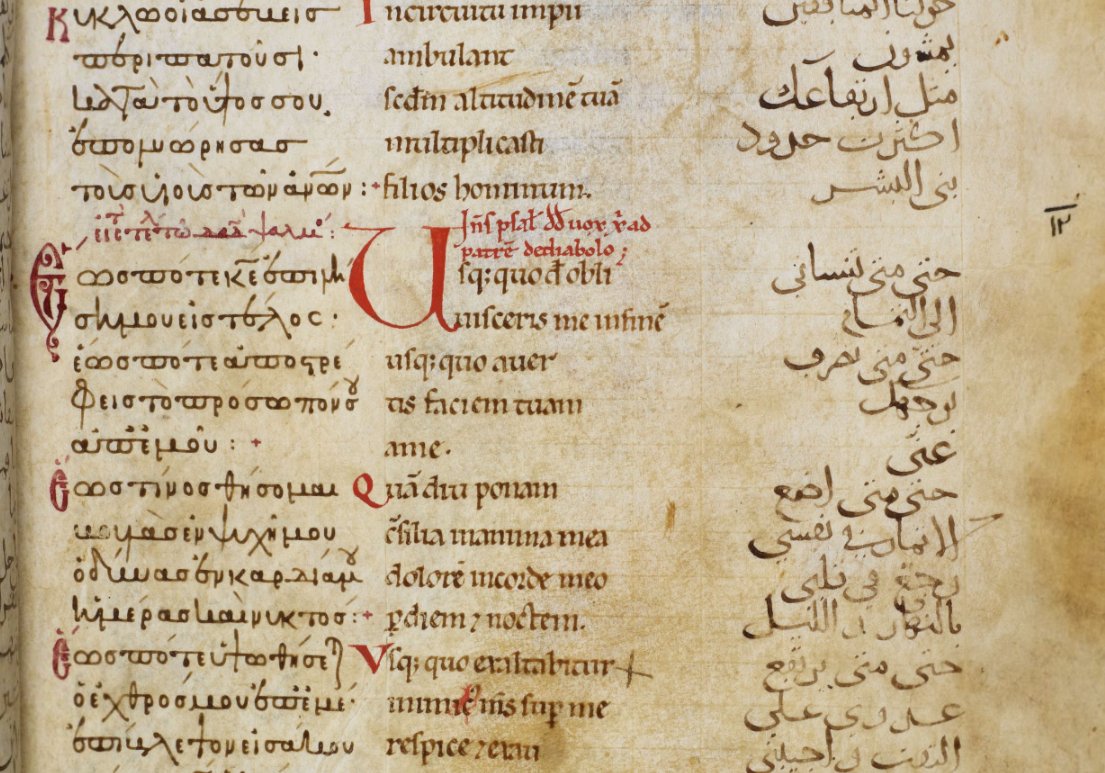
Greek, Latin and Arabic

A Safeguard Against Grief

Anacreonta 56

“The one who strengthens someone in pain,
Who comforts a young one in love,
Who makes the dancer beautiful over drinks,
That god has descended to the ground,
Offering a calming lovespell for mortals,
A medicine against grief,
The vine’s child, wine.

He is guarding it safe,
Within the vines’ bunches of grapes,
So, whenever they cut the fruit,
Everyone remains free of sickness,
Healthy with shining skin
And a sweet-hearted mind,
Until the passing of another year.”

ὁ τὸν ἐν πόνοις ἀτειρῆ,
νέον ἐν πόθοις ἀταρβῆ,
καλὸν ἐν πότοις χορευτὴν
τελέων θεὸς κατῆλθε,
ἁπαλὸν βροτοῖσι φίλτρον,
πότον ἄστονον κομίζων,
γόνον ἀμπέλου, τὸν οἶνον,
ἐπὶ κλημάτων ὀπώραις
πεπεδημένον φυλάττων,
ἵν᾿, ὅταν τέμωσι βότρυν,
ἄνοσοι μένωσι πάντες,
ἄνοσοι δέμας θεητόν,
ἄνοσοι γλυκύν τε θυμὸν
ἐς ἔτους φανέντος ἄλλου.

still life oil painting. striped table cloth, plate with pears, wine jug and glass.
Adolphe Joseph Thomas Monticelli, “Still Life with Food and Wine” 1874

Knowing Helps, but Hurts a Lot Too: Some Words Go Back to School

These sayings [‘Apophthegmata’] are drawn from the Gnomologium Vaticanum.

470: “Socrates, when asked what is sweetest in life, said “education, virtue, and the investigation of the unknown”

Σωκράτης ὁ φιλόσοφος ἐρωτηθεὶς τί ἥδιστον ἐν τῷ βίῳ εἶπε· „παιδεία καὶ ἀρετὴ καὶ ἱστορία τῶν ἀγνοουμένων”.


24: “Aristippos used to say the he took money from students not in order to straighten their lives but so they might learn to spend their money on fine things.”

῾Ο αὐτὸς παρὰ τῶν μαθητῶν λαμβάνειν ἔφασκε μισθόν, οὐχ ὅπως τὸν βίον ἐπανορθώσῃ, ἀλλ’ ὅπως ἐκεῖνοι μάθωσιν εἰς τὰ καλὰ δαπανᾶν.


50: “Aristotle said that education is a decoration for the lucky but a refuge for the unfortunate.”

῾Ο αὐτὸς ἔφη τὴν παιδείαν εὐτυχοῦσι μὲν εἶναι όσμον, ἀτυχοῦσι δὲ καταφύγιον.


87: “When he was asked whom he loved more, Phillip or Aristotle, Alexander said “both the same—for the first gave me the gift of life and the second taught me to live well.”

῾Ο αὐτὸς ἐρωτηθεὶς τίνα μᾶλλον ἀγαπᾷ, Φίλιππον ἢ ᾿Αριστοτέλην, εἶπεν· „ὁμοίως ἀμφοτέρους· ὁ μὲν γάρ μοι τὸ ζῆν ἐχαρίσατο, ὁ δὲ τὸ καλῶς ζῆν ἐπαίδευσεν.”


164: “Glukôn the philosopher called education a sacred refuge.”

Γλύκων ὁ φιλόσοφος τὴν παιδείαν ἔλεγεν ἱερὸν ἄσυλον εἶναι.

259: “When Demetrios [of Phalerus] was asked what was the noblest of animals he said “A human adorned by education.”

῾Ο αὐτὸς ἐρωτηθεὶς τί τῶν ζώων κάλλιστόν ἐστιν εἶπεν· „ἄνθρωπος παιδείᾳ κεκοσμημένος”.


302: “[Zeno the Stoic] used to say that education was sufficient for happiness”

῾Ο αὐτὸς ἔφη τὴν παιδείαν πρὸς εὐδαιμονίαν αὐτάρκη.


314: “Heraclitus used to say that learning is a second sun for the educated”

῾Ηράκλειτος τὴν παιδείαν ἕτερον ἥλιον εἶναι τοῖς πεπαιδευμένοις ἔλεγεν.


439: [Plato] used to say that someone being educated needs three things: ability, practice and time.”

῾Ο αὐτὸς ἔλεγεν ὅτι ὁ παιδευόμενος τριῶν τούτων χρῄζει· φύσεως, μελέτης, χρόνου.


469: “[Protagoras] used to say “knowing a lot helps a lot and hurts a lot.”

῾Ο αὐτὸς ἔφη· „πολυμαθίη κάρτα μὲν ὠφελέει, κάρτα δὲ βλάπτει”.

Other passages

Euripides, Iphigenia at Aulis 559-567

“People have different natures;
They have different ways. But acting rightly
Always stands out.
The preparation of education
points the way to virtue.
For it is a mark of wisdom to feel shame
and it brings the transformative grace
of seeing through its judgment
what is right; it is reputation that grants
an ageless glory to your life.”

διάφοροι δὲ φύσεις βροτῶν,
διάφοροι δὲ τρόποι· τὸ δ’ ὀρ-
θῶς ἐσθλὸν σαφὲς αἰεί·
τροφαί θ’ αἱ παιδευόμεναι
μέγα φέρουσ’ ἐς τὰν ἀρετάν·
τό τε γὰρ αἰδεῖσθαι σοφία,
†τάν τ’ ἐξαλλάσσουσαν ἔχει
χάριν ὑπὸ γνώμας ἐσορᾶν†
τὸ δέον, ἔνθα δόξα φέρει
κλέος ἀγήρατον βιοτᾶι.

Stobaeus 2.31 88

“Diogenes used to say that educating children was similar to potters’ sculpting because they take clay that is tender and shape it and decorate it how they wish.  But once it has been fired, it can’t be shaped any longer.  This is the way it is for those who were not educated when they were children: once they are grown, they have been hardened to change.”

Διογένης ἔλεγε τὴν τῶν παίδων ἀγωγὴν ἐοικέναι τοῖς τῶν κεραμέων πλάσμασιν· ὡς γὰρ ἐκεῖνοι ἁπαλὸν μὲν τὸν πηλὸν ὄντα ὅπως θέλουσι σχηματίζουσι καὶ ῥυθμίζουσιν, ὀπτηθέντα δὲ οὐκέτι δύνανται πλάσσειν, οὕτω καὶ τοὺς ἐν νεότητι μὴ διὰ πόνων παιδαγωγηθέντας, τελείους γενομένους ἀμεταπλάστους γίνεσθαι.

Antisthenes, fr. 38

“The examination of words is the beginning of education.”

ἀρχὴ παιδεύσεως ἡ τῶν ὀνομάτων ἐπίσκεψις

Alcman, fr. 125

“Trying is the first step of learning”

πῆρά τοι μαθήσιος ἀρχά

Dionysus Thrax, On the Art of Grammar (2nd to 1st Centuries BCE; go here for a nice translation of the remaining works)

“The art of grammar is the experience-derived knowledge of how things are said, for the most part, by poets and prose authors. It has six components. First, reading out loud and by meter; second, interpretation according to customary compositional practice; third, a helpful translation of words and their meanings; fourth, an investigation of etymology; fifth, a categorization of morphologies; and sixth—which is the most beautiful portion of the art–the critical judgment of the compositions.”

Γραμματική ἐϲτιν ἐμπειρία τῶν παρὰ ποιηταῖϲ τε καὶ ϲυγγραφεῦϲιν ὡϲ ἐπὶ τὸ πολὺ λεγομένων.   Μέρη δὲ αὐτῆϲ ἐϲτιν ἕξ· πρῶτον ἀνάγνωϲιϲ ἐντριβὴϲ κατὰ προϲῳδίαν, δεύτερον ἐξήγηϲιϲ κατὰ τοὺϲ ἐνυπάρχονταϲ ποιητικοὺϲ τρόπουϲ,  τρίτον γλωϲϲῶν τε καὶ ἱϲτοριῶν πρόχειροϲ ἀπόδοϲιϲ, τέταρτον ἐτυμολογίαϲ εὕρεϲιϲ, πέμπτον ἀναλογίαϲ ἐκλογιϲμόϲ, ἕκτον κρίϲιϲ ποιημάτων, ὃ δὴ κάλλιϲτόν ἐϲτι πάντων τῶν ἐν τῇ τέχνῃ.

Sophocles, fr. 843

“I learn what can be taught; I seek what
can be found; and I ask the gods what must be prayed for.”

τὰ μὲν διδακτὰ μανθάνω, τὰ δ’ εὑρετὰ
ζητῶ, τὰ δ’ εὐκτὰ παρὰ θεῶν ᾐτησάμην

Phocylides

“It is right to teach noble things to one who is still a child”

χρὴ παῖδ᾿ ἔτ᾿ ἐόντα / καλὰ διδάσκειν ἔργα


Aristotle, According to Diogenes Laertius, Vitae Philosophorum 5.21

“He said that the root of education is bitter but the fruit is sweet.”

Τῆς παιδείας ἔφη τὰς μὲν ῥίζας εἶναι πικράς, τὸν δὲ καρπὸν γλυκύν.

“He used to say that three things are needed for education: innate ability, study, and practice”

τριῶν ἔφη δεῖν παιδείᾳ, φύσεως, μαθήσεως, ἀσκήσεως.

When asked what the difference was between those who were educated and those who were not, Aristotle said “as great as between the living and the dead.” He used to say that education was an ornament in good times and a refuge in bad.

ἐρωτηθεὶς τίνι διαφέρουσιν οἱ πεπαιδευμένοι τῶν ἀπαιδεύτων, “ὅσῳ,” εἶπεν, “οἱ ζῶντες τῶν τεθνεώτωντὴν παιδείαν ἔλεγεν ἐν μὲν ταῖς εὐτυχίαις εἶναι κόσμον, ἐν δὲ ταῖς ἀτυχίαις καταφυγήν

Heraclitus, fr. 40

“Knowing much doesn’t teach you how to think.”

πολυμαθίη νόον ἔχειν οὐ διδάσκει.

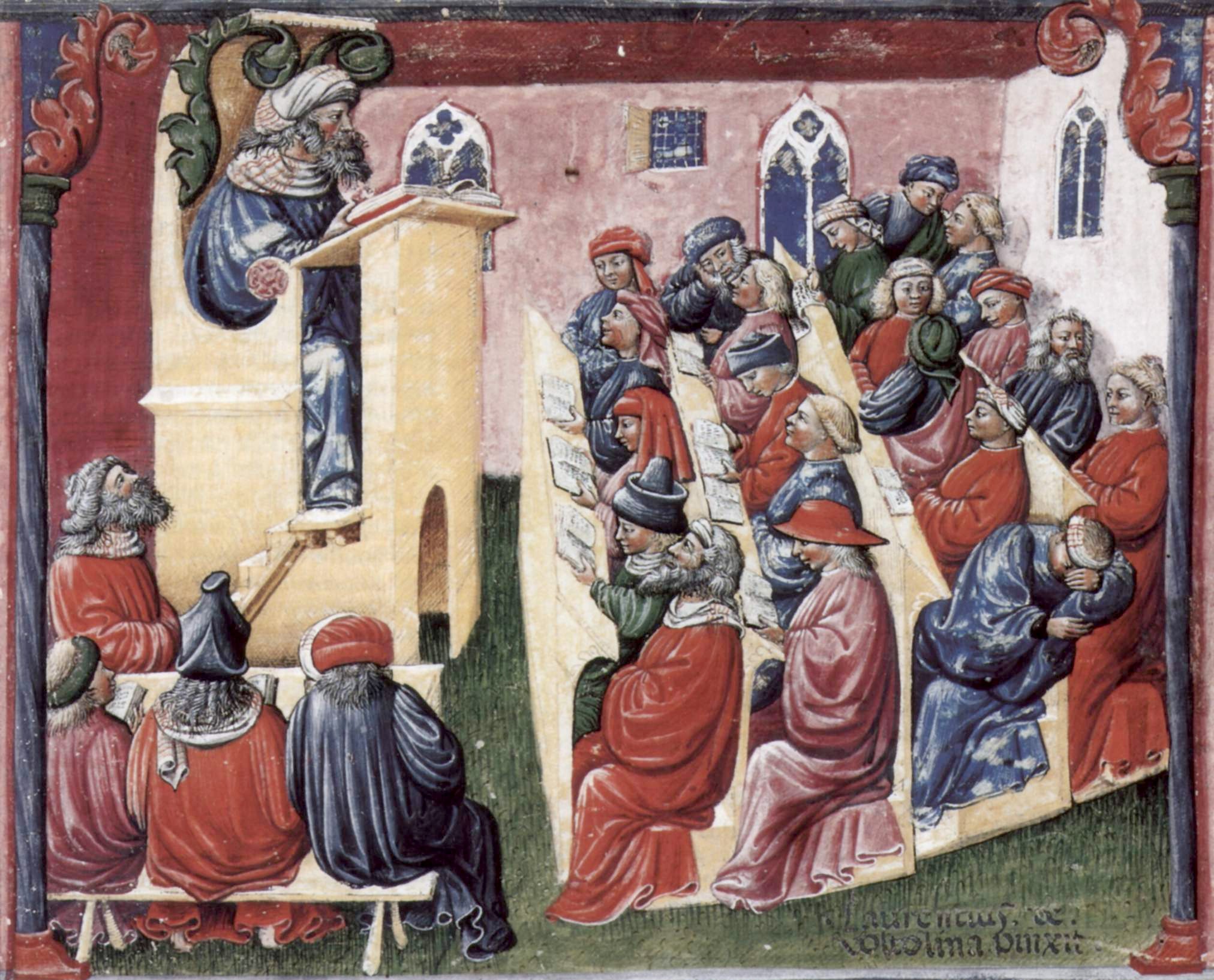
Image result for medieval manuscript school room
Laurentius de Voltolina

A Dream to Remember, Repeat

Anacreonta 37

“As I slept through the night
Under sea-purple blankets,
Stretched out, drunk,
I was dreaming I stretched out
Mid-run on a fast course,
On the very tips of my toes.
I was enjoying myself with the girls
But some boys younger
Than Luaios were mocking me,
Teasing me harshly,
Because of those pretty girls.

Then, they all ran away from my dream
When I reached out to kiss them.
They left me alone and poor me,
I only wanted to sleep again.”

διὰ νυκτὸς ἐγκαθεύδων
ἁλιπορφύροις τάπησι
γεγανυμένος Λυαίῳ,
ἐδόκουν ἄκροισι ταρσῶν
δρόμον ὠκὺν ἐκτανύειν
μετὰ παρθένων ἀθύρων,
ἐπεκερτόμουν δὲ παῖδες
ἁπαλώτεροι Λυαίου
δακέθυμά μοι λέγοντες
διὰ τὰς καλὰς ἐκείνας.

ἐθέλοντα δ᾿ ἐκφιλῆσαι
φύγον ἐξ ὕπνου με πάντες·
μεμονωμένος δ᾿ ὁ τλήμων
πάλιν ἤθελον καθεύδειν.

a knight dozes at a table on the left. An angel looks at him. in the center and the right lies a table cluttered with objects, including coins, books, and a skull
Antonio de Pereda “The Knight’s Dream” 1650