Poets, Hanging out with Kings

Sud.  Σ 439 “Simonides”

“Simonides, the son of Leoprepes, a citizen of Ioulos on the Island Keos. A lyric poet from the same time period as Stesichoris. He was called Melikertes because of his sweetness. He is also the one who founded the art of mnemonics. In addition to this, he invented long vowels, double consonants, and the third note on the lure. He was born during the 56th Olympiad (c. 556 BCE_ and lived into the 78th (468 BCE). 89 nine years altogether. He wrote in the Doric dialect, “The Kingdom of Kambyses and Darius” as well as “The Sea Battle Against Xerxes” and “The Battle at Artemisium” in elegiac verse. He added in lyric form, “The Sea Battle at Salamis” as well as dirges, eulogies, epigrams, paeans, tragedy and other things. This Simonides had a good memory…”

Σιμωνίδης, Λεωπρεποῦς, Ἰουλιήτης τῆς ἐν Κέῳ τῇ νήσῳ πόλεως, λυρικός, μετὰ Στησίχορον τοῖς χρόνοις· ὃς ἐπεκλήθη Μελικέρτης διὰ τὸ ἡδύ. καὶ τὴν μνημονικὴν δὲ τέχνην εὗρεν οὗτος· προσεξεῦρε δὲ καὶ τὰ μακρὰ τῶν στοιχείων καὶ διπλᾶ καὶ τῇ λύρᾳ τὸν τρίτον φθόγγον. γέγονε δ᾿ ἐπὶ τῆς πεντηκοστῆς ἕκτης ὀλυμπιάδος, οἱ δὲ ξβ΄ γεγράφασι. καὶ παρέτεινε μέχρι τῆς οη΄, βιοὺς ἔτη πθ΄. καὶ γέγραπται αὐτῷ Δωρίδι διαλέκτῳ †ἡ Καμβύσου καὶ Δαρείου βασιλεία καὶ Ξέρξου ναυμαχία καὶ† ἡ ἐπ᾿ Ἀρτεμισίῳ ναυμαχία, δι᾿ ἐλεγείας· ἡ δ᾿ ἐν Σαλαμῖνι μελικῶς· θρῆνοι, ἐγκώμια, πιγράμματα, παιᾶνες καὶ τραγῳδίαι καὶ ἄλλα. οὗτος ὁ Σιμωνίδης μνημονικός τις ἦν, εἴπερ τις ἄλλος . . .

Aristotle, Constitution of the Athenians, Ath. Pol. 18. 1

“Because of their reputations and their ages, Hipparchus and Hippias were in power, yet because Hippias was older and more political by nature as well as sensible, he oversaw the government. Hipparchus was more childish, lustful, and a devotee of the arts. He is the one who summoned Anakreon, Simonides, and the other poets to Athens.”

ἦσαν δὲ κύριοι μὲν τῶν πραγμάτων διὰ τὰ ἀξιώματα καὶ διὰ τὰς ἡλικίας Ἵππαρχος καὶ Ἱππίας, πρεσβύτερος δὲ ὢν ὁ Ἱππίας καὶ τῇ φύσει πολιτικὸς καὶ ἔμφρων ἐπεστάται τῆς ἀρχῆς. ὁ δὲ Ἵππαρχος παιδιώδης καὶ ἐρωτικὸς καὶ φιλόμουσος ἦν (καὶ τοὺς περὶ Ἀνακρέοντα καὶ Σιμωνίδην καὶ τοὺς ἄλλους ποιητὰς οὗτος ἦν ὁ μεταπεμπόμενος) . . .

Pausanias. 1. 2. 3

“At that time, poets took up residence in the halls of kings as earlier Anacreon stated with Polycrates the tyrant of Samos and Aeschylus and Simonides ended up going to Hiero of Syracuse.”

συνῆσαν δὲ ἄρα καὶ τότε τοῖς βασιλεῦσι ποιηταὶ καὶ πρότερον ἔτι καὶ Πολυκράτει Σάμου τυραννοῦντι Ἀνακρέων παρῆν καὶ ἐς Συρακούσας πρὸς Ἱέρωνα Αἰσχύλος καὶ Σιμωνίδης ἐστάλησαν.

Athenaeus, Deipnoshopists 14.646de

“Simonides was truly cheap and eager for profit, as Khamaileon notes. When he went to Syracuse and Hiero would send him daily gifts, Simonides would sell of most of it and put aside a little bit for himself. When he was asked the reason for this, he said “So that Hiero’s excess and my constraint are clear to all.”

ὄντως δ᾿ ἦν ὡς ἀληθῶς κίμβιξ ὁ Σιμωνίδης καὶ αἰσχροκερδής, ὡς Χαμαιλέων φησιν ἐν Συρακούσαις γοῦν τοῦ Ἱέρωνος ἀποστέλλοντος αὐτῷ τὰ καθ᾿ ἡμέραν λαμπρῶς πωλῶν τὰ πλείω ὁ Σιμωνίδης τῶν παρ᾿ ἐκείνου πεμπομένων ἑαυτῷ μικρὸν μέρος ἀπετίθετο. ἐρομένου δέ τινος τὴν αἰτίαν· ὅπως, εἶπεν, ἥ τε Ἱέρωνος μεγαλοπρέπεια καταφανὴς ᾖ καὶ ἡ ἐμὴ κοσμιότης.

A painting of a group of people in a vicrtory procession at Olympia. There is a chariot with a singer carrying a lyre
James Barry, Crowning the Victors at Olympia – Hiero of Syracuse and victors, c. 1780


Is There a Doctor in the House?

Aristophanes, Assemblywomen 363-371

“Who can get a doctor for me and which one?
Who is an expert in the art of assholes?
Is it Amunôn? Perhaps he will decline.
Have someone call Antisthenes by any means.
For this man knows why an asshole wants
To shit thanks to the groaning.
Queen Eleithuia, don’t you ignore me
When I am breaking but all stopped up,
Don’t let me be the comic chamberpot!”

τίς ἂν οὖν ἰατρόν μοι μετέλθοι, καὶ τίνα;
τίς τῶν καταπρώκτων δεινός ἐστι τὴν τέχνην;
ἆρ᾿ οἶδ᾿ Ἀμύνων; ἀλλ᾿ ἴσως ἀρνήσεται.
Ἀντισθένη τις καλεσάτω πάσῃ τέχνῃ·
οὗτος γὰρ ἁνὴρ ἕνεκά γε στεναγμάτων
οἶδεν τί πρωκτὸς βούλεται χεζητιῶν.
ὦ πότνι᾿ Ἱλείθυα μή με περιίδῃς
διαρραγέντα μηδὲ βεβαλανωμένον,
ἵνα μὴ γένωμαι σκωραμὶς κωμῳδική.

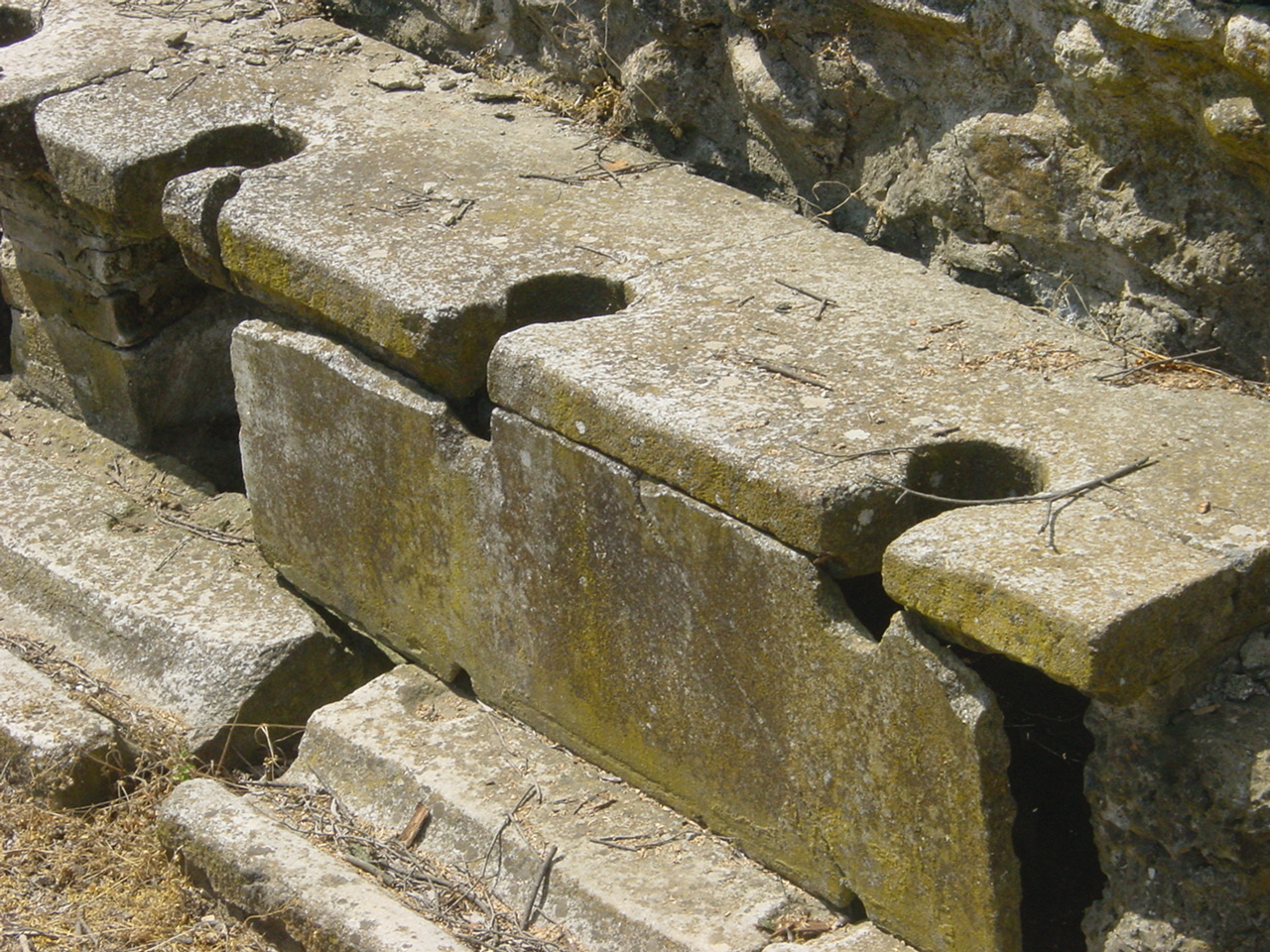
By Autor: Dr.Rudolf Schandalik. – Own work Eigenes Foto, Public Domain, https://commons.wikimedia.org/w/index.php?curid=977342

Of Songs and Sigma Stigma

P. Oxy. 1604 (13, 1919) = Strabo 10.3.13 + Dion. Hal. de comp. verb. 14 + Athen. 10.455BC

“Pindar, in the Dithyramb that begins “in ancient times”, mentions other previous songs to Dionysus from ancient times and later, and then changes subjects. He says “Great mother, the crashing of tambourines are ready to start. And there are also castanets to sound, and torches underneath the pale pine trees.

Dionysus in his work On Literary Composition, comments “The sigma is neither charming nor euphonic and is super annoying when it is used too much. The hissing sound seems more like a wild, irrational animal’s voice than a rational one. For this reason, many ancient poets tried to use the sound infrequently and in a limited way. Indeed, there are some who used to compose entire odes without sigmas at all! Pindar says this when he continues:

Before that time the dithryamb
Song slid along a straight path and
People sensed the letter san as suspect

Athenaeus has “When it comes to Pindar’s asigmatic ode, Clearchus claims that he composed the following, putting it in some kind of a problem in lyric poetry, since many had mocked him for not avoiding the letter because it was difficult and it made him look bad. People should keep this in mind when they consider those who criticize the asigmatic Ode by Lasos of Hermione called Centaurs or the asigmatic hymn to Demeter of Hermione also by Lasos.

P. Oxy. 1604 (13, 1919). Strabo 10.3.13

Πίνδαρος ἐν τῷ διθυράμβῳ οὗ ἡ ἀρχή· πρὶν διθυράμβων, μνησθεὶς τῶν περὶ τὸν Διόνυσον ὕμνων τῶν τε παλαιῶν καὶ τῶν ὕστερον, μεταβὰς ἀπὸ τούτων φησί· σοὶ μὲν κατάρχειν, μᾶτερ μεγάλα, πάρα ῥόμβοι κυμβάλων· ἐν δὲ καχλάδων κρόταλ᾿, αἰθομένα τε δᾲς ὑπὸ ξανθαῖσι πεύκαις.

Dion. Hal. de comp. verb. 14 ἄχαρι δὲ καὶ ἀηδὲς τὸ σ καὶ πλεονάσαν σφόδρα λυπεῖ· θηριώδους γὰρ καὶ ἀλόγου μᾶλλον ἢ λογικῆς ἐφάπτεσθαι δοκεῖ φωνῆς ὁ συριγμός· τῶν γοῦν παλαιῶν τινες σπανίως ἐχρῶντο αὐτῷ καὶ πεφυλαγμένως, εἰσὶ δ᾿ οἳ καὶ ἀσίγμους ὅλας ᾠδὰς ἐποίουν· δηλοῖ δὲ τοῦτο καὶ Πίνδαρος ἐν οἷς φησι· μὲν ἀνθρώποι:

πρὶν μὲν εἷρπε σχοινοτένειά τ᾿ ἀοιδὰ διθυράμβω
καὶ τὸ σὰν κίβδηλον ἀνθρώποις.1.

Athen. 10.455BC Πίνδαρος δὲ πρὸς τὴν ἀσιγμοποιηθεῖσαν ᾠδήν, ὡς ὁ αὐτός φησι Κλέαρχος, οἱονεὶ γρίφου τινὸς ἐν μελοποιίᾳ προβληθέντος, ὡς πολλῶν τούτῳ προσκρουόντων διὰ τὸ ἀδύνατον εἶναι ἀποσχέσθαι τοῦ σίγμα καὶ διὰ τὸ μὴ δοκιμάζειν, ἐποίησε· πρὶν μὲν ἀνθρώποις. ταῦτα σημειώσαιτ᾿ ἄν τις πρὸς τοὺς νοθεύοντας Λάσου τοῦ Ἑρμιονέως τὴν ἄσιγμον ᾠδήν, ἥτις ἐπιγράφεται Κένταυροι. καὶ ὁ εἰς τὴν Δήμητρα δὲ τὴν ἐν Ἑρμιόνῃ ποιηθεὶς τῷ Λάσῳ ὕμνος ἄσιγμός ἐστιν.

black and white picture of a snake with an s shape
ssssserioussss problemsssss

Souls Burning for Censure: Sallust Advises Caesar

Sallust, First Letter to Caesar 8-10

I have offered you as briefly as possible what things I think are necessary for our nation and your glory. It does not seem any worse to say a few things now about what I have accomplished here.

Most mortals possess—or pretend to possess—enough intelligence to make judgments. But, in truth, everyone’s soul burns to criticize the words and deeds of others, even though their mouth and tongue are not large and quick enough to produces the words contemplated in their hearts.

It causes me no grief to be subject to these men—no, it would hurt more to stay quiet. For whether you persist on this path or another one, I have spoken and offered help in a manly way. All that is left is to hope that the immortal gods smile on what you do and allow it to turn out well.

Quae rei publicae necessaria tibique gloriosa ratus sum, quam paucissimis apsolvi. Non peius videtur pauca nunc de facto meo disserere. Plerique mortales ad iudicandum satis ingenii habent aut simulant; verum enim ad reprehendunda aliena facta aut dicta ardet omnibus animus, vix satis apertum os aut lingua prompta videtur quae meditata pectore evolvat. Quibus me subiectum haud paenitet, magis reticuisse pigeret. Nam sive hac seu meliore alia via perges, a me quidem pro virili parte dictum et adiutum fuerit. Relicuum est optare uti quae tibi placuerint ea di immortales adprobent beneque evenire sinant.

From Wikipedia

Kleptophilosopher!

Heraclitus, Homeric Problems 18.1

“The rational part of the soul, which is established in the head, [Plato] made the charioteer of the whole, when he says this (Tim. 90a2-5):

Concerning the most lordly part of our soul, we should concern of its form like this: God has granted to each of us that very spirit which we say lives among us at the highest part of our body, to raise us from the earth closer to our relative, heaven, since we are not an earth-bound growth but a heavenly creature.

Plato sprinkles these things into his own dialogues from the Homeric epics as if drawing from a spring.”

Τὸ μέντοι λογικὸν μέρος τῆς ψυχῆς, ὃ ἐν τῇ κεφαλῇ καθίδρυτο, τῶν ὅλων πεποίηκεν ἡνίοχον οὑτωσὶ λέγων·

Περὶ δὲ τοῦ κυριωτάτου παρ’ ἡμῖν ψυχῆς εἴδους δια-
νοεῖσθαι δεῖ τῇδε, ὡς ἄρα αὐτὸ δαίμονα θεὸς ἑκάστῳ δέδωκε,
τοῦτο ὃ δὴ φαμὲν οἰκεῖν μὲν ἡμῶν ἐπ’ ἄκρῳ τῷ σώματι,
πρὸς δὲ τὴν ἐν οὐρανῷ ξυγγένειαν ἀπὸ γῆς ἡμᾶς αἴρειν
ὡς ὄντας φυτὸν οὐκ ἐπίγειον, ἀλλ’ οὐράνιον.

Ταῦτα τοίνυν ὥσπερ ἐκ πηγῆς τῶν ῾Ομηρικῶν ἐπῶν εἰς τοὺς ἰδίους διαλόγους ὁ Πλάτων μετήρδευσεν.

Image result for Ancient GReek Plato

Custom, Violence, and Law

Pindar fr. 169a [=P. Oxy. 2450 (26, 1961), vv. 6–62; = Plato, Gorg. 484b]

“Custom, the king of everything,
Of mortals and immortal alike,
Guides them with the final hand
To the most violent kinds of justice.
I’ll prove this
With the deeds of Herakles
Since he drove the cattle of Geryon
To the Cyclopean gates of Eurystheus
Unpunished and unpaid.

Νόμος ὁ πάντων βασιλεύς
θνατῶν τε καὶ ἀθανάτων
ἄγει δικαιῶν τὸ βιαιότατον
ὑπερτάτᾳ χειρί. Τεκμαίρομαι
ἔργοισιν Ἡρακλέος·
ἐπεὶ Γηρυόνα βόας
Κυκλώπειον ἐπὶ πρόθυρον Εὐρυσθ̣έος
ἀνατεί τε] καὶ ἀπριάτας ἔλασεν

Plato, Gorgias 484a-b

“But when a person comes around with sufficient nature, he shakes off and shatters all these things [laws], escaping them. He tramples all over our precedents and edicts, our pronouncements and all the laws that a contrary to his nature, and our slave rises up to become our master and clearly shows the justice of nature. This is what Pindar seems to indicate in that song when he says…”

ἐὰν δέ γε, οἶμαι, φύσιν ἱκανὴν γένηται ἔχων ἀνήρ, πάντα ταῦτα ἀποσεισάμενος καὶ διαρρήξας καὶ διαφυγών, καταπατήσας τὰ ἡμέτερα γράμματα καὶ μαγγανεύματα καὶ ἐπῳδὰς καὶ νόμους τοὺς παρὰ φύσιν ἅπαντας, ἐπαναστὰς ἀνεφάνη δεσπότης ἡμέτερος ὁ δοῦλος, καὶ ἐνταῦθα ἐξέλαμψε τὸ τῆς φύσεως δίκαιον. δοκεῖ δέ μοι καὶ Πίνδαρος ἅπερ ἐγὼ λέγω ἐνδείκνυσθαι ἐν τῷ ᾄσματι ἐν ᾧ λέγει ὅτι…

Fragmentary marble relief sculpture with bearded figure looking forward holding a boar's carcass on his shoulder
Roman; Relief of Herakles and the boar; Stone Sculpture

Cicero: A Liar Will Probably Commit Perjury Too

Cicero, Pro Quinctui Roscio 16

“Still,” he said, “Cluvius told Lucius and Manilius he was not on sworn oath.” If he told them while sworn in, would you believe? What is the difference between a perjurer and a liar? A man who is accustomed to lying, can get used to committing perjury.

I can easily get a man to perjure himself once I am able to persuade him to lie. For once someone has departed from the truth, he is not in the habit of being constrained by greater belief from perjury than from lying. For what man who is not moved by the force of his own conscience is moved by invocation of the gods?

The reason for this is that the gods dispense the same penalty for the perjurer and the liar. The gods become enraged and punish a man not for the institution which frames the swearing of the words but because of the evil and the malice that these traps are set for another person.”

XVI. “Dicit enim,” inquit, “iniuratus Luscio et Manilio.” Si diceret iuratus, crederes? At quid interest inter periurum et mendacem? Qui mentiri solet, peierare consuevit. Quem ego, ut mentiatur, inducere possum, ut peieret, exorare facile potero. Nam qui semel a veritate deflexit, hic non maiore religione ad periurium quam ad mendacium perduci consuevit. Quis enim deprecatione deorum, non conscientiae fide commovetur? Propterea, quae poena ab dis immortalibus periuro, haec eadem mendaci constituta est; non enim ex pactione verborum, quibus ius iurandum comprehenditur, sed ex perfidia et malitia, per quam insidiae tenduntur alicui, di immortales hominibus irasci et suscensere consuerunt.

Image result for medieval manuscript perjury
Sinon. Augustine, La Cit de Dieu, Books I-X. Paris, Ma tre Franois (illuminator); c. 1475-1480.

Death, Sleep, and Our Bodies’ Recyclable Clay

Plutarch, Moralia. A Letter of Condolence to Apollonius, 106e-f

“For when is death not present among us? Truly, as Heraclitus says, “living and dying is the same and so is being awake and asleep or youth and old age. For each turns back into the other again.”

Just as someone can make shapes of living things from the same clay and then collapse them and shape something new again repeatedly, so too did nature shape our ancestors from the same material, collapse it, and reshape it to make our parents and us in turn”

πότε γὰρ ἐν ἡμῖν αὐτοῖς οὐκ ἔστιν ὁ θάνατος; καί, ᾗ φησιν Ἡράκλειτος, “ταὐτό γ᾿ ἔνι ζῶν καὶ τεθνηκὸς καὶ τὸ ἐγρηγορὸς καὶ τὸ καθεῦδον καὶ νέον καὶ γηραιόν· τάδε γὰρ μεταπεσόντα ἐκεῖνά ἐστι, κἀκεῖνα πάλιν μεταπεσόντα ταῦτα.” ὡς γὰρ ἐκ τοῦ αὐτοῦ πηλοῦ δύναταί τις πλάττων ζῷα συγχεῖν καὶ πάλιν πλάττειν καὶ συγχεῖν καὶ τοῦθ᾿ ἓν παρ᾿ ἓν ποιεῖν ἀδιαλείπτως, οὕτω καὶ ἡ φύσις ἐκ τῆς αὐτῆς ὕλης πάλαι μὲν τοὺς προγόνους ἡμῶν ἀνέσχεν, εἶτα συνεχεῖς αὐτοῖς3 ἐγέννησε τοὺς πατέρας, εἶθ᾿ ἡμᾶς,

black and white photo of an artist sitting in a studio looking at a sculpture. The woman is sitting on a stool looking at a small figurine on a high table in front of home

The Soul and Its Heroic Return, Two Fragments from Pindar

Pindar, Dirges Fr. 131b [= Plut. consol. ad Apoll. 35.120C]

“Every human’s body is a servant to death–
Yet a shadow of life goes on living still.
This part alone
Comes from the gods. It sleeps while our limbs move
But when we sleep it shows us
in multiple dreams a choice of things to come,
Some of pleasure, some of pain.”

σῶμα μὲν πάντων ἕπεται θανάτῳ περισθενεῖ,
ζωὸν δ᾿ ἔτι λείπεται αἰῶνος εἴδωλον·
τὸ γάρ ἐστι μόνον
ἐκ θεῶν· εὕδει δὲ πρασσόντων μελέων, ἀτὰρ εὑδόντεσσιν
ἐν πολλοῖς ὀνείροις
δείκνυσι τερπνῶν ἐφέρποισαν χαλεπῶν τε κρίσιν.

Pindar, Dirges Fr. 133 [=Plat. Men. 81B]

“When Persephone has taken the payment for that ancient pain,
From people, after nine years she gives their souls back
To the light of the sun above and from them come

Proud kings and men fast in strength and best in mind
And people call them holy heroes
for all that remains of time.”

οἷσι δὲ Φερσεφόνα ποινὰν παλαιοῦ πένθεος
δέξεται, ἐς τὸν ὕπερθεν ἅλιον κείνων ἐνάτῳ ἔτεϊ
ἀνδιδοῖ ψυχὰς πάλιν, ἐκ τᾶν βασιλῆες ἀγαυοί
καὶ σθένει κραιπνοὶ σοφίᾳ τε μέγιστοι
ἄνδρες αὔξοντ᾿· ἐς δὲ τὸν λοιπὸν χρόνον ἥροες ἁ-
γνοὶ πρὸς ἀνθρώπων καλέονται.

A somewhat impressionistic oil painting with outlines of two partial figures. One looks down and left, the other is seen only by an elbow in the upper right. The canvas is split between dark blue on top and tan on the bottom
“The freedom of new thinking”, by Erik Pevernagie, oil on canvas,80 x 100 cm

Nature vs. Nurture, or On Hands and Walls

Philostratus, Discourse II

“To me, custom and nature are not merely not opposed but they are most closely related, similar and overlapping one another. For custom is the way we approach nature and nature is our avenue to custom; we do call one the starting point and one the result: let nature be called the leader and culture the follower. Custom never would have built walls or outfitted men against them if nature hadn’t given man hands.”

ἐμοὶ δὲ νόμος καὶ φύσις οὐ μόνον οὐκ ἐναντίω φαίνεσθον, ἀλλὰ καὶ ξυγγενεστάτω καὶ ὁμοίω καὶ διήκοντε ἀλλήλοιν· νόμος τε γὰρ παριτητέος ἐς φύσιν καὶ φύσις ἐς νόμον καὶ καλοῦμεν αὐτοῖν τὸ μὲν ἀρχήν, τὸ δ’ ἑπόμενον, κεκληρώσθω δὲ ἀρχὴν μὲν φύσις, νόμος δὲ τὸ ἕπεσθαι, οὔτε γὰρ ἂν νόμος ἐτειχοποίησεν ἢ ὑπὲρ τείχους ὥπλισεν, εἰ μὴ φύσις ἔδωκεν ἀνθρώπῳ χεῖρας….

https://commons.wikimedia.org/wiki/File:Wall_street_of_the_tombs_sacred_way_Kerameikos_Athens.jpg

Philostratus?