May I die, Priapus, if I am not ashamed
To use obscene words and nasty names
But when you, a god, has cast shame down
And show your balls out shaking around
Then a cock must be a cock and a cunt the same.
Obscenis, peream, Priape, si non
uti me pudet improbisque verbis.
sed cum tu posito deus pudore
ostendas mihi coleos patentes,
cum cunno mihi mentula est vocanda
Fronto LaudesFumi et Pulveris [Ambr 249 Caesari suo Fronto. [139 a.d.]]
“Many of my readers may perhaps hate my subject from the title because it is impossible for anything serious to be made of smoke and dust. But you, thanks to your outstanding intelligence, will judge whether these words are wasted or put well.
The subject does, however, seem to ask for a few things to be written about the logic of its composition, since nothing written of this kind of thing noble enough in the Roman tongue exists except for what poets touch in comedies or farces. Anyone who tests himself at writing of this kind will select a mass of ideas and put them together closely, joining them cleverly, but without including many useless and doubled words and then make sure to end each sentence with clarity and skill.
In legal speeches, however, it goes differently because we often pay special attention to sentences ending harshly and artlessly. In this matter, we must labor differently so that nothing is left rude and out of place, instead making sure that everything is interconnected as in a robe with clear borders and ornate edges. Finally, just as the final verses in epigrams should have some kind of shine to them, a sentence should be ended with some kind of a clasp or brooch.
Pleasing the audience, however, should pursued among the first goals. For this kind of address is not composed for defense in a capital trial nor to advocate for the passing of a law, nor to exhort an army, nor to enrage a mass of people, but for delights and pleasure. Nevertheless, we must speeches we do about serious and wonderful things—the small matters must be compared and equaled to great ones. And, finally, the greatest virtue in this kind of speech is the conceit of seriousness. Stories of the gods or heroes should be interwoven where they fit. At he same time, lines of poetry which pertain applicable proverbs, and even clever fictions, as long as the fiction is added by some kind of clever argument.
The chief challenge, then, is to order the materials so that their presentation has a logical connection. This is what Plato faults Lysias for in the Phaedrus, that he has combined his thoughts so carelessly that the first one could be exchanged with the last without any kind of loss. We can only escape this danger if we organize our thoughts in categories so that we do not mix them in an indiscriminate and disordered way like those mixed dishes, but instead arrange it so that the preceding idea reaches into the next one and then shares its boundary, where the second thought begins where the first one has ended, and a sequence emerges in this way, so that we seem to step rather than jump along our way.”
Plerique legentium forsan rem de titulo contemnant, nihil <enim> serium , potuisse fieri de fumo et pulvere: tu pro tuo excellenti ingenio profecto existimabis lusa sit opera4ista an locata. 2. Sed res poscere videtur de ratione scribendi pauca praefari, quod nullum huiuscemodi scriptum Romana lingua extat satis nobile, nisi quod poetae in comoediis vel atellanis adtigerunt. Qui se eiusmodi rebus scribendis exercebit, crebras sententias conquiret, easque dense conlocabit et subtiliter coniunget, Ambr. neque verba multa geminata supervacanea | in-ferciet; tum omnem sententiam breviter et scite concludet. Aliter in orationibus iudiciariis, ubi sedulo curamus ut pleraeque sententiae durius interdum et incautius1finiantur. Sed contra istic laborandum est, ne quid inconcinnum et hiulcum relinquatur, quin omnia ut in tenui veste oris detexta et revimentis sint cincta. Postremo, ut novissimos in epigrammatis versus habere oportet aliquid luminis, sententia clavo aliquo vel fibula terminanda est.
In primis autem sectanda est suavitas. Namque hoc genus orationis non capitis defendendi nec suadendae legis nec exercitus hortandi nec inflammandae contionis scribitur, sed facetiarum et voluptatis.Ubique vero ut de re ampla et magnifica loquendum, parvaeque res magnis adsimilandae comparandaeque. Summa denique in hoc genere orationis virtus est adseveratio. Fabulae deum vel heroum tempestive inserendae; item versus congruenteset proverbia accommodata et non inficete conficta mendacia, dum id mendacium argumento aliquo lepido iuvetur.
Ambr 247 4. Cum primis autem difficile est argumenta ita disponere ut sit ordo eorum rite connexus. Quod Ambr.ille | Plato Lysiam culpat in Phaedro, sententiarum ordinem ab eo ita temere permixtum, ut sine ullo detrimento prima in novissimum locum transferantur, et novissima in primum, eam culpam ita devitabimus, si divisa generatim argumenta nectemus, non sparsa nec sine discrimine aggerata, ut ea quae per saturam feruntur, sed ut praecedens sententia in sequentem laciniam aliquam porrigat et oram praetendat; ubi prior sit finita sententia, inde ut sequens ordiatur; ita enim transgredi potius videmur quam transilire.
“The school, as I first knew it, consisted of some eight or nine boarders and about as many day-boys. Organised games, except for endless rounders in the flinty playground, had long been moribund and were finally abandoned not very long after my arrival. There was no bathing except one’s weekly bath in the bathroom. I was already doing Latin exercises (as taught by my mother) when I went there in 1908, and I was still doing Latin exercises when I left there in 1910; I had never got in sight of a Roman author. The only stimulating element in the teaching consisted of a few well-used canes which hung on the green iron chimney-piece of the single schoolroom. The teaching staff consisted of the headmaster and proprietor (we called him Oldie), his grown-up son (Wee Wee), and an usher. The ushers succeeded one another with great rapidity; one lasted for less than a week. Another was dismissed in the presence of the boys, with a rider from Oldie to the effect that if he were not in Holy Orders he would kick him downstairs. This curious scene took place in the dormitory, though I cannot remember why. All these ushers (except the one who stayed less than a week) were obviously as much in awe of Oldie as we. But there came a time when there were no more ushers, and Oldie’s youngest daughter taught the junior pupils. By that time there were only five boarders, and Oldie finally gave up his school and sought a cure of souls. I was one of the last survivors, and left the ship only when she went down under us.”
I have offered you as briefly as possible what things I think are necessary for our nation and your glory. It does not seem any worse to say a few things now about what I have accomplished here.
Most mortals possess—or pretend to possess—enough intelligence to make judgments. But, in truth, everyone’s soul burns to criticize the words and deeds of others, even though their mouth and tongue are not large and quick enough to produces the words contemplated in their hearts.
It causes me no grief to be subject to these men—no, it would hurt more to stay quiet. For whether you persist on this path or another one, I have spoken and offered help in a manly way. All that is left is to hope that the immortal gods smile on what you do and allow it to turn out well.
Quae rei publicae necessaria tibique gloriosa ratus sum, quam paucissimis apsolvi. Non peius videtur pauca nunc de facto meo disserere. Plerique mortales ad iudicandum satis ingenii habent aut simulant; verum enim ad reprehendunda aliena facta aut dicta ardet omnibus animus, vix satis apertum os aut lingua prompta videtur quae meditata pectore evolvat. Quibus me subiectum haud paenitet, magis reticuisse pigeret. Nam sive hac seu meliore alia via perges, a me quidem pro virili parte dictum et adiutum fuerit. Relicuum est optare uti quae tibi placuerint ea di immortales adprobent beneque evenire sinant.
“You ought on the other hand to confess that nothing is sweeter or more pleasant than such a life as long as you live by your own laws and not those of the raging mob. Why then do you torture yourself? If you measure yourself by your own nature, you were rich long ago; if you measure yourself by popular applause, you will never be rich, but something will always remain. You will pursue it and be snatched away through the steep precipices of desire. Do you remember with how much pleasure you used to wander around the distant countryside, and how you were at one time drinking in the murmur of the plashing water as you lay in the grassy meadows? How at another time you were measuring out the field below with a free glance? How at one time you were enjoying longed-for tranquility as you were seized by sleep lying in a shady spot of the sunny valley; how you were never totally idle, but always revolving something lofty in your mind, and never alone in the company of the Muses? Then, you followed the example of the old man in Vergil who
“was equaling the riches of kings in his mind, and returning home late at night was loading his table with a meal which he did not buy”
as you returned to your home at sunset content with your own goods. Did you not then seem to be by far the richest and clearly the most fortunate of all mortals?”
“How many people have been sorely afflicted by the power which they have received! How many people have been destroyed by their own goods, and submerged in the ultimate punishment. Those things are good to be sure, when they afforded one hour in joy! One day passes judgment on another, and the final day passes judgment on all the rest – so none of them are to be believed.”
quam multos accepta adflixere imperia! quam multos bona perdidere et ultimis mersere suppliciis, ista nimirum bona, cum interim illa hora in gaudio fuit! ita est profecto: alius de alio iudicat dies et tantum supremus de omnibus, ideoque nullis credendum est.
“I am unable to control the fact that I am a bit upset after leaving the reading of a certain friend so I will pour out my feelings to you in a letter since I can’t see you in person. The work which was read was completely done. Two or three learned men—as they seemed to themselves and a few others—were listening as if they were deaf and dumb. They did not move their lips or flick a hand—they did not even rise to their feet because they were bored of sitting.
What’s all this seriousness for? What’s with such great learning? This, really, is lazy negligence, a lack of manners or common sense to spend the whole day so you might offend someone and leave a man you approached as a dearest friend an enemy?
Are you a more learned speaker? Then for this much alone you should not begrudge him since it is the lesser man who envies. Indeed, whether you appear greater or less or the same praise him whether he is lesser, greater or equal. For, you can’t possibly be praise if the one who is superior to you isn’t and it matters for your own reputation if anyone you surpass or equal seems to have the greatest amount of glory possible.
In truth, I am in the habit of honoring and feeling wonder at everyone who achieves something in their studies. For scholarship is a difficult, impatient, and temperamental affair likely to show contempt for those who disregard it.
Perhaps you believe something different, even though no one else is a more admiring or serious judge of this matter than you. I have selected you rather than any other friend I have for my anger since you are most capable of sharing it. Farewell!”
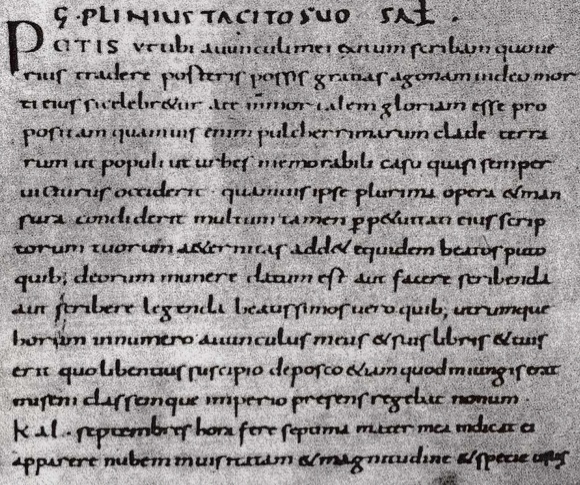
Plinius Restituto Suo S.
1Indignatiunculam, quam in cuiusdam amici auditorio cepi, non possum mihi temperare quo minus apud te, quia non contigit coram, per epistulam effundam. Recitabatur liber absolutissimus. Hunc duo aut tres, ut sibi et paucis videntur, diserti surdis mutisque similes audiebant. Non labra diduxerunt, non moverunt manum, non denique adsurrexerunt saltem lassitudine sedendi. Quae tanta gravitas? quae tanta sapientia? quae immo pigritia adrogantia sinisteritas ac potius amentia, in hoc totum diem impendere ut offendas, ut inimicum relinquas ad quem tamquam amicissimum veneris? Disertior ipse es? Tanto magis ne invideris; nam qui invidet minor est. Denique sive plus sive minus sive idem praestas, lauda vel inferiorem vel superiorem vel parem: superiorem quia nisi laudandus ille non potes ipse laudari, inferiorem aut parem quia pertinet ad tuam gloriam quam maximum videri, quem praecedis 5 vel exaequas. Equidem omnes qui aliquid in studiis faciunt venerari etiam mirarique soleo; est enim res difficilis ardua fastidiosa, et quae eos a quibus contemnitur invicem contemnat. Nisi forte aliud iudicas tu. Quamquam quis uno te reverentior huius operis, quis1 benignior aestimator? Qua ratione ductus tibi potissimum indignationem meam prodidi, quem habere socium maxime poteram. Vale.
“I’m doing well because you are! You have your wife, and you have your son. You enjoy the sea, the streams, the forest, the fields and your most charming home. I cannot doubt that it must be truly charming when it’s the place where a man stays who was already lucky before he became the luckiest!
I am hunting and studying in Tuscany, either taking turns between them or trying them at the same time. I am not able right now to tell you whether it is more difficult to catch something or write about it. Be well!”
C. Plinius Calpurnio Macro Suo S.
1Bene est mihi quia tibi bene est. Habes uxorem tecum, habes filium; frueris mari fontibus viridibus agro villa amoenissima. Neque enim dubito esse amoenissimam, in qua se composuerat homo felicior, 2ante quam felicissimus fieret. Ego in Tuscis et venor et studeo, quae interdum alternis, interdum simul facio; nec tamen adhuc possum pronuntiare, utrum sit difficilius capere aliquid an scribere. Vale.
Hunting with Nets – Piazza Armerina, Sicily (ca. 300 AD)
Aeneas Silvius Piccolomini, de Puerorum Educatione:
“We do not advise people to read all the poets by the way and to affix their minds entirely to them. For, since many of these are amatory verses and full of vice, attention ought not to be paid to all of the things which are said by them, just as neither all theologians nor all philosophers should be heard. But when they commemorate the sayings or deeds of excellent men, then the reader ought to be moved and inflamed in all his mind and try himself to be such as they were. But when they happen upon mention of wicked people, they ought to flee their example. Listen to Basilius, the most sanctified and experienced man: ‘We praise the poets, not when they relate chastisements, nor when they imitate lovers or drunks or chatty people, nor when they define happiness by the rich man’s table and dissolute singing; we praise them least of all when they say something about the gods, especially when they suggest that they are many and discordant among themselves.’ And a little later, ‘These same things should be said of other writers, and then especially when they are read for pleasure.’ And again, ‘But now most of all we embrace orators, when they either extol virtue or fulminate against vices.’ In our readings of poets and other writers, we ought to imitate bees. For, as some take nothing from flowers except the odor and the color, bees know how to take honey out of them; thus, those who follow not only the pleasure of the words are able to derive some profit. Nor, further, do all bees approach flowers equally, nor do they completely consume those which they approach, but rather, they take that which is needed for their work, and they leave the rest behind.”
Aeneas Silvius Piccolomini, de Puerorum Educatione:
“What should I say about theologians? What error in faith has not stemmed from them? Who brought about the Arrian insanity, who separated the Greeks from the church, who seduced the Bohemians, if not theologians? At one time, the Romans expelled every kind of doctor from the city because they were guilty of all sorts of crimes; once the guilty had been punished, they allowed the innocent to return to the city. What about orators? Does Cicero not say that many cities were razed to the very ground because of the eloquence of evil people? But just as neither all orators nor all doctors nor all theologians nor all philosophers ought to be rejected on account of a few bad apples, similarly, we ought not to shrink from all poets on account of the vices of a few. Otherwise, even Plato himself should have been ejected from the city which he formed, since he was given to tragedy and Macrobius relates some of his poems which prove that he was a poet. Nor would Cicero have remained in that city, since he was not only the greatest cultivator of poets, but even wrote out three books On His Own Times in verse, in the old poetic fashion. Boethius’ objection merits laughter rather than a response. For who could hold back a laugh when it is said that a poet is condemning poetry? Is Boethius not a poet in all ways? For in his work, Philosophy (who speaks with him) goes on in verse and fiction. How many stories are found there? How many types of meters? Boethius seems similar to that guy who used to swear that no one should swear. But let us not impute what those others think to Boethius, who was both a philosopher and a poet. Let us suppose that he had something else in mind, which it would be tedious to discuss right now.”