Quality over Quantity in Quotations: Do As We Say Not As…

Aulus Gellius, Attic Nights Preface, 12-13

“But I did not have the same plan when I was making selections and notes as those many others. For all of them—and especially the Greeks—by reading many varied things in which they would underline certain matters “with a white line”—as the saying goes—they used to just mass everything together without concern for judgment, because they were only in pursuit of quantity.

The mind will tire quickly in reading these because before it finds one thing or another which might be a pleasure to read or nurturing to have heard or useful to remember. For this reason, because I have taken to heart that smartest word of the Ephesian that “knowing much doesn’t teaching you to think”, I wore myself out in rolling and returning many scrolls at every moment free from my regular business when I might be able to spare the time.

But I still selected very few portions from each which were ready and easy examples to provide quick and ready erudition or the study of the useful arts or to preserve people who are super busy with the obligations of life from a base and unsophisticated ignorance of words and things.”

Sed ne consilium quidem in excerpendis notandisque rebus idem mihi, quod plerisque illis, fuit. Namque illi omnes et eorum maxime Graeci, multa et varia lectitantes, in quas res cumque inciderant, “alba,” ut dicitur, “linea” sine cura discriminis solam copiam sectati converrebant, quibus in legendis ante animus senio ac taedio languebit quam unum alterumve reppererit quod sit aut voluptati legere aut cultui legisse aut usui meminisse. Ego vero, cum illud Ephesii viri summe nobilis verbum cordi haberem, quod profecto ita est πολυμαθίη νόον οὐ διδάσκει, ipse quidem volvendis transeundisque multis admodum voluminibus per omnia semper negotiorum intervalla in quibus furari otium potui exercitus defessusque sum, sed modica ex his eaque sola accepi quae aut ingenia prompta expeditaque ad honestae eruditionis cupidinem utiliumque artium contemplationem celeri facilique compendio ducerent aut homines aliis iam vitae negotiis occupatos a turpi certe agrestique rerum atque verborum imperitia vindicarent.
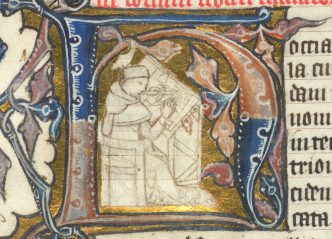
From Medievalists.net

Tired of Life? Join the Essenes!

Pliny, Natural History 5.15:

“To the west lie the Essenes, who escape the noxious effects of the shores. They are a solitary race, and marvelous beyond others in the whole world: living without a woman, having given up venereal pleasure, and lacking money – they are the companions of the palm trees. Every day, their number is increased by the masses of people flocking to them, whom Fortune has driven them, tired of life, upon her waves to the society of the Essenes. And so through thousands of ages – marvelous to say! – has their race in which no one is born continued. So fruitful for them is the fatigue which people feel with life!”

http://big.assets.huffingtonpost.com/Saddness5.gif

Ab occidente litora Esseni fugiunt usque qua nocent, gens sola et in toto orbe praeter ceteras mira, sine ulla femina, omni venere abdicata, sine pecunia, socia palmarum. in diem ex aequo convenarum turba renascitur, large frequentantibus quos vita fessos ad mores eorum fortuna fluctibus agit. ita per saeculorum milia — incredibile dictu — gens aeterna est, in qua nemo nascitur. tam fecunda illis aliorum vitae paenitentia est!

Monasticism and Gallic Gluttony

Sulpicius Severus, Dialogues 1.8:

“’Jerome was, in addition to the merit of his faith and the gift of his virtues, educated not just in Latin and Greek, but even in Hebraic literature, to such an extent that no one would dare to compare themselves to him in any field of knowledge. I would be surprised if he is not known to you through the many works which he has written, since he is read all around the world.’

The Gaul responded to me, ‘Oh, he is all too well known to us. About five years ago I read a certain little book of his, in which the whole nation of our monks is hassled and reproved by him. And a Belgian friend of mine often gets angry because Jerome said that we are accustomed to feed until we vomit. I would give him a pass on it, however, and I think that he was talking more about eastern monks than those in the west, since a fondness for eating is considered gluttony among the Greeks, but among us Gauls it is just nature.’”

giphy.gif

uir enim praeter fidei meritum dotemque uirtutum non solum Latinis atque Graecis, sed et Hebraeis litteris ita institutus est, ut se illi in omni scientia nemo audeat conparare. Miror autem, si non et uobis per multa quae scripsit opera conpertus est, cum per totum orbem legatur.

Nobis uero, Gallus inquit,nimium nimiumque conpertus est. nam ante hoc quinquennium quendam illius libellum legi, in quo tota nostrorum natio monachorum ab eo uehementissime uexatur et carpitur. unde interdum  Belgicus noster ualde irasci solet, quod dixerit, nos usque ad uomitum solere satiari. ego autem illi uiro ignosco, adque ita sentio, de orientalibus illum potius monachis quam de occidentalibus disputasse. nam edacitas in Graecis gula est, in Gallis natura.

Nothing is So Simple. Nothing is So Great.

Lucretius, De Rerum Natura 2.1023-1039

“Listen, put your mind now on true reason.
For a new matter rises fiercely to meet your ears
and a new image of the universe strives to show itself.

Nothing is so simple that at first sight
it is not rather difficult to believe;
and in the same way nothing is so great or miraculous
that over time we don’t slowly fail to behold it with wonder.

Consider first the clear and pure color of the sky
and everything it holds, the wandering stars
the moon and the gleam of the sun with its bright light;
If suddenly mortals now saw all these things
for the first time with no prior experience of them,
could anything possibly be said to be more wondrous
or would the races of men have dared to believe they existed?
Nothing. I believe that is how striking the sight would be.
But now, since we are so used to seeing them,
no one thinks it worthwhile to gaze at heaven’s bright splendor.”

Nunc animum nobis adhibe veram ad rationem.
nam tibi vehementer nova res molitur ad auris
accedere et nova se species ostendere rerum.
sed neque tam facilis res ulla est, quin ea primum
difficilis magis ad credendum constet, itemque
nil adeo magnum neque tam mirabile quicquam,
quod non paulatim minuant mirarier omnes,
principio caeli clarum purumque colorem
quaeque in se cohibet, palantia sidera passim,
lunamque et solis praeclara luce nitorem;
omnia quae nunc si primum mortalibus essent
ex improviso si sint obiecta repente,
quid magis his rebus poterat mirabile dici,
aut minus ante quod auderent fore credere gentes?
nil, ut opinor; ita haec species miranda fuisset.
quam tibi iam nemo fessus satiate videndi,
suspicere in caeli dignatur lucida templa.


Image result for Ancient Roman Night sky
Image taken from Pinterest,

Contact High from Greek Literature

Cicero, Oratore II 14 (Cicero is not the speaker here…)

“What, then? There is something else still, I will admit, that, as when I walk in the sun—even if I am doing so for some other reason—I still grow darker by nature. Something similar happens when I eagerly read those books at Misenum—for Rome scarcely allows it. I sense that my own speaking takes own a new appearance from this contact. But, so that this does not seem too general to you, I understand only those things contained within Greek works which their very authors conceded the common people to understand.

When by chance I come upon your philosophers, led astray by the titles of their books which are titled with common and famous names—on virtue, justice, goodness, pleasure—I do not understand any word: they are so bound up in precise and abbreviated argumentation. I don’t even try to manage the Greek poets at all since they speak an entirely different language. No, I lose myself, as I have said, with those who write histories or present speeches which they wrote, or who speak in a what that they don’t seem to wish that we be the most well educated men, but merely conversant.”

Quid ergo? Est, fatebor, aliquid tamen: ut, cum in sole ambulem, etiamsi aliam ob causam ambulem, fieri natura tamen, ut colorer: sic, cum istos libros ad Misenum (nam Romae vix licet) studiosius legerim, sentio illorum tactu orationem meam quasi colorari. Sed ne latius hoc vobis patere videatur, haec duntaxat in Graecis intellego, quae ipsi, qui scripserunt, voluerunt vulgo intellegi. In philosophos vestros si quando incidi, deceptus indicibus librorum, quod sunt fere inscripti de rebus notis et illustribus, de virtute, de iustitia, de honestate, de voluptate, verbum prorsus nullum intellego: ita sunt angustis et concisis disputationibus illigati. Poetas omnino, quasi alia quadam lingua locutos, non conor attingere: cum his me (ut dixi) oblecto, qui res gestas, aut qui orationes scripserunt suas, aut qui ita loquuntur, ut videantur voluisse nobis, qui non sumus eruditissimi, esse familiars…


Image result for Medieval manuscript Cicero

Norbanus, Caesar, Oedipus: Candidates for Impeachment?

Cicero, De Oratore II. 167

This is a kind of argument deduced from connected notions: “If the highest praise must be given to piety, then you should be moved when you see Quintus Metellus grieving so dutifully”. And, as for a deduction from generalities, “if magistrates owe their power to the Roman people, then why impeach Norbanus when he depends on the will of the citizenry?”

Ex coniunctis sic argumenta ducuntur: ‘si pietati summa tribuenda laus est, debetis moveri, cum Q. Metellum tam pie lugere videatis.’ Ex genere autem: ‘si magistratus in populi Romani potestate esse debent, quid Norbanum accusas, cuius tribunatus voluntati paruit civitatis?’

Suetonius, Julius Caesar 1.30

“Others claim that he feared being compelled to provide a defense for the things he had done in his first consulate against auspices, laws, and legislative actions. For Marcus Cato often announced with an oath that he would impeach Caesar by name, as soon as he dismissed his army.”

Alii timuisse dicunt, ne eorum, quae primo consulatu adversus auspicia legesque et intercessiones gessisset, rationem reddere cogeretur; cum M. Cato identidem nec sine iure iurando denuntiaret delaturum se nomen eius, simul ac primum exercitum dimisisset

Accius, Fr. 598 (From Oedipus)

TEIRESIAS

“They impeach him voluntarily and they separate him
From his good fortune and all his wealth,
A man isolated, bereft, depressed and tortured”

Incusant ultro, a fortuna opibusque omnibus
desertum abiectum adflictum exanimum expectorant.

Image result for Roman Oedipus

F**k Y’all, My Treasure’s In Heaven!

Orosius, History Against the Pagans 7.33:

“Meanwhile in parts of Africa, Firmus made himself the king of the provoked tribes of the Moors and laid waste to Africa and Mauretania. He gave Caesarea, the noblest city of Mauretania which had been taken by fraud and then filled with murder and flames, to the barbarians as a prize. Then count Theodosius, the father of the Theodosius who later ruled as emperor, was sent by Valentinian and broke the tribes of the Moors, who were scattered after many battles. He drove Firmus, now afflicted and oppressed, to death. Afterward, when he had with the most knowing foresight returned all of Africa with Mauretania to their previous states, he received the order (thanks to provoking and clamoring envy) that he was to be executed. He chose to be baptized in Carthage in order to remit his sins, and after he attained the sacrament of Christ which he had sought, he cheerfully offered his neck to the executioner following a glorious life, and secure of the life hereafter.”

Interea in Africae partibus Firmus sese excitatis Maurorum gentibus regem constituens Africam Mauretaniamque uastauit; Caesaream urbem nobilissimam Mauretaniae dolo captam, deinde caedibus incendiisque conpletam barbaris in praedam dedit. igitur comes Theodosius, Theodosii qui post imperio praefuit pater, a Valentiniano missus effusas Maurorum gentes multis proeliis fregit, ipsum Firmum afflictum et oppressum coegit ad mortem. post cum experientissima prouidentia totam cum Mauretania Africam meliorem pristinis reddidisset, instimulante et obrepente inuidia iussus interfici, apud Carthaginem baptizari in remissionem peccatorum praeoptauit ac postquam sacramentum Christi quod quaesierat adsecutus est, post gloriosam saeculi uitam etiam de uitae aeternitate securus percussori iugulum ultro praebuit.

Augustine’s Superficial Learning

Edward Gibbon, The Decline and Fall of the Roman Empire XXXIII:

“The youth of Augustin had been stained by the vices and errors which he so ingenuously confesses; but from the moment of his conversion to that of his death, the manners of the bishop of Hippo were pure and austere: and the most conspicuous of his virtues was an ardent zeal against heretics of every denomination; the Manichaeans, the Donatists, and the Pelagians, against whom he waged a perpetual controversy. When the city, some months after his death, was burnt by the Vandals, the library was fortunately saved, which contained his voluminous writings; two hundred and thirty-two separate books or treatises on theological subjects, besides a complete exposition of the psalter and the gospel, and a copious magazine of epistles and homilies. According to the judgment of the most impartial critics, the superficial learning of Augustin was confined to the Latin language; and his style, though sometimes animated by the eloquence of passion, is usually clouded by false and affected rhetoric. But he possessed a strong, capacious, argumentative mind; he boldly sounded the dark abyss of grace, predestination, free will, and original sin; and the rigid system of Christianity which he framed or restored, has been entertained, with public applause, and secret reluctance, by the Latin church.”

Gerard Seghers (attr) - The Four Doctors of the Western Church, Saint Augustine of Hippo (354–430).jpg

“Beware the many, if you do not fear the one”

From the Historia Augusta, on the two Maximini, IX

“In order to hide his low birth, he had everyone who knew about it killed—not a few of them were friends who had often given him much because of his pitiable poverty. And there was never a crueler animal on the earth, placing all in his strength as if he could not be killed. Finally, when he believed that he was nearly immortal because of the magnitude of his body and bravery, there was a certain actor whom they report recited some Greek lines when he was present in the theater which had this Latin translation:

Even he who cannot be killed by one is killed by many
The elephant is large and he is killed.
The lion is brave and he is killed
The tiger is brave and he is killed.
Beware the many if you do not fear the one.

And these words were recited while the emperor was there. But when he asked his friends what the little clown had said, they claimed he was singing some old lines written against mean men. And, since he was Thracian and barbarian, he believed this.”

IX. nam ignobilitatis tegendae causa omnes conscios generis sui interemit, nonnullos etiam amicos, qui ei saepe misericordiae paupertatis causa pleraque donaverant. neque enim fuit crudelius animal in terris, omnia sic in viribus suis ponens quasi non posset occidi. denique cum immortalem se prope crederet ob magnitudinem corporis virtutisque, mimus quidam in theatro praesente illo dicitur versus Graecos dixisse, quorum haec erat Latina sententia:

“Et qui ab uno non potest occidi, a multis occiditur.

elephans grandis est et occiditur,
leo fortis est et occiditur,
tigris fortis est et occiditur;
cave multos, si singulos non times.”

et haec imperatore ipso praesente iam dicta sunt. sed cum interrogaret amicos, quid mimicus scurra dixisset, dictum est ei quod antiquos versus cantaret contra homines asperos scriptos; et ille, ut erat Thrax et barbarus, credidit.


Image result for maximinus thrax
I am big. Really big. Everyone is saying that, not me. I mean, look how big I am.

Haters Gonna Hate the Apostate

Ammianus Marcellinus, Histories XVII:

“Just when these things were learned among the retinue of Constantius – for it was necessary to bring all matters to the attention of the Augustus, the Caesar being in something like the station of a lieutenant – all of those who possessed power in the palace, all of the reverend and learned professors were turning all of the well planned and prosperously accomplished actions of Julian into a joke, croaking out endlessly in a rather witless way that ‘he came into hatred with his victories – a goat, not a man’, carping at Julian for being hairy, and calling him the chatty mole and the royal ape and the Greek language wizard. They would say these and similar things over and over again to Constantius as though ringing a chime in his ears; he rejoiced in hearing these and similar things, while his ministers tried to cover over his virtues with their impudent words, accusing Julian of being lazy, timid, withdrawn, but inclined to hype up his own deeds with polished speeches. This was not the first time that this had happened. For, as it happens that all the most ample glory is always subject to envy, we read vices and crimes imputed even to ancient and magnificent generals; and if such vices could not be discovered, malignity hostile to their most renowned deeds has contrived to fabricate them.”

haters

 Haec cum in comitatu Constantii subinde noscerentur — erat enim necesse tamquam apparitorem Caesarem super omnibus gestis ad Augusti referre scientiam — omnes qui plus poterant in palatio, adulandi professores iam docti recte consulta prospereque conpleta vertebant in deridiculum: talia sine modo strepentes insulse “in odium venit cum victoriis suis capella, non homo” ut hirsutum Iulianum carpentes appellantesque loquacem talpam et purpuratam simiam et litterionem Graecum: et his congruentia plurima aeque ut tintinnabula principi resonantes, audire haec taliaque gestienti, virtutes eius obruere verbis inpudentibus conabantur ut segnem incessentes et timidum et umbratilem gestaque secus verbis comptioribus exornantem: quod non tunc primitus accidit. Namque ut solet amplissima quaeque gloria obiecta esse semper invidiae, legimus in veteres quoque magnificos duces vitia criminaque, etiam si inveniri non poterant, finxisse malignitatem spectatissimis actibus eorum offensam.