A Decision to Leave

CW: Suicide, self-harm

Tacitus, Histories 4.11

“Julus Priscus, prefect of the praetorians under Vitellius, committed suicide because of shame more than necessity.”

Iulius Priscus praetoriarum sub Vitellio cohortium praefectus se ipse interfecit, pudore magis quam necessitate.

Dio Roman History 19. = Zonaras 9.21

“He learned this beforehand and killed himself because he was not able to escape.”

προμαθὼν τοῦτ᾿ ἐκεῖνος καὶ διαδρᾶναι μὴ οἷός τε ὢν ἑαυτὸν διεχρήσατο.

Aristotle, Eudemian Ethics 1230e

“Those kinds of people who escape trouble by killing themselves as many do are not brave.”

οὔτ᾿ εἰ φεύγοντες τὸ πονεῖν, ὅπερ πολλοὶ ποιοῦσιν, οὐδὲ τῶν τοιούτων οὐθεὶς ἀνδρεῖος

Seneca, De Vita Beata 19

“They deny that Diodorus, the Epicurean philosopher who in the last few days ended his life with his own hand was acting according to the law of Epicurus when he cut his own throat. Some want his deed to be seen as insanity; others consider it impulsive.

But at the time he was happy and filled with good cheer and made his own testimony as he left life. He praised the hears he spent in port and at anchor and pronounced those words which you would have heard unwillingly as if you must do the same thing: “I have lived and I have completed the journey life gave to me.”

Diodorum, Epicureum philosophum, qui intra paucos dies finem vitae suae manu sua imposuit, negant ex decreto Epicuri fecisse, quod sibi gulam praesecuit. Alii dementiam videri volunt factum hoc eius, alii temeritatem; ille interim beatus ac plenus bona conscientia reddidit sibi testimonium vita excedens laudavitque aetatis in portu et ad ancoram actae quietem et dixit, quod vos inviti audistis, quasi vobis quoque faciendum sit:

Vixi et quem dederat cursum fortuna peregi.

Plutarch’s Moralia 1042D Stoic Self Contradictions

“But they say that Chrysippus claims that the decision for leaving should be based not on how many good things or bad things there are in life but whether the things in between the extremes are natural—this is why it happens sometimes that happy people commit suicide and the unlucky decide to remain alive.”

ἀλλ᾿ οὐδὲ ὅλως, φασίν, οἴεται δεῖν Χρύσιππος οὔτε μονὴν ἐν τῷ βίῳ τοῖς ἀγαθοῖς οὔτ᾿ ἐξαγωγὴν τοῖς κακοῖς παραμετρεῖν ἀλλὰ τοῖς μέσοις κατὰ φύσιν· διὸ καὶ τοῖς εὐδαιμονοῦσι γίγνεταί ποτε καθῆκον ἐξάγειν ἑαυτοὺς καὶ μένειν αὖθις ἐν τῷ ζῆν τοῖς κακοδαιμονοῦσιν.

We have posted about suicide before and do not do it lightly.

If you or someone you know feel alone, uncertain, depressed or for any reason cannot find enough joy and hope to think life is worth it, please reach out to someone. The suicide prevention hotline has a website, a phone number (1-800-273-8255), and a chat line. And if we can help you find some tether to the continuity of human experience through the Classics or a word, please don’t hesitate to ask.

Sisyphus depicted on a black-figure amphora vase
Persephone and Sisyphus

Forget Literary Fame

Petrarch, de sua ipsius multorumque ignorantia (III):

So things go: my studies, labors, and late nights have come to this point, that I who as a young man was accustomed to be called learned by some people, shall be found by deeper judgment to be an idiot as an old man. Perhaps I should grieve about it – but I must bear it. Perhaps I shouldn’t grieve about it, but I nevertheless must bear it, as one must bear everything which happens in human life: loss, poverty, labor, sorrow, tedium, death, exile, disgrace. Which, if it be false, is to be condemned: for it will find people to contradict it, and will fail as it goes. If however the disgrace is true, it should not be refused, as are other punishments invented for human faults. Indeed, I for my part will laugh if the true ornament of knowledge is taken away from me with words. But if the glory is false, I will not only bear the loss, but rejoice in it, being freed from my baggage and the laborious preservation of undeserved fame. It is better with the robber, when he puts off his unjust spoils, than when he enjoys his theft unpunished. One who deprives others of unjust possession can be more unjust, even if the repossession itself is just. As I said, for what bears on me, I approve not only the just sentence but also the unjust one, nor do I refuse any judge or thief.

Fame is a laborious and difficult thing, especially in literature. Everyone is vigilant and armed against it. Even those who are unable to hope for it themselves strive to take it away from others who possess it. One must ever have a pen in one’s hands. One must ever stand with an intent mind and erect ears. Whoever liberates me from this cares and this office with any proposition will earn my gratitude as my champion. Gratefully do I set aside the title of man of letters, whether it be true or false (certainly it was laborious and full of anxiety), because I remember the words of Seneca: this praise is garnered from a great expense of time and the horrible vexation of others’ ears: ‘O, man of letters!’ I should instead be content with this slightly more rustic title: ‘O, good man!’

Sic res eunt: huc et studia, et labores nostri, nostreque vigilie pervenere, ut qui iuvenis doctus a quibusdam dici soleo, profundiore iudicio senex ydiota reperiar. Dolendum forsitan, sed ferendum; forsitan nec dolendum, ferendum sane, ut reliqua omnia que hominibus accidunt: damnum, pauperies, labor, dolor, tedium, mors, exilium, infamia. Que si falsa est, spernenda est; nam et contradictores inveniet, et eundo deficiet; si vera autem, recusanda non est, ut nec alia culpis hominum inventa supplitia. Equidem, si scientie verum decus michi verbis eripitur, ridebo. At si falsum, non feram modo, sed gaudebo, non meis sarcinis excussus et indebite fame laboriosa custodia liberatus. Melius cum predone agitur, dum iniustis spoliis exuitur, quam dum impune furto utitur. Iniusti possessoris exclusor iniustius esse potest, at exclusio utique iusta est. Quod ad me attinet, ut dixi, non iustam modo sententiam, sed iniustam probo, nec iudicem quemlibet nec raptorem renuo. Operosa ac difficilis res est fama, et precipue literarum. Omnes in eam vigiles atque armati sunt; etiam qui sperare illam nequeunt habentibus nituntur eripere; habendus calamus semper in manibus; intento animo erectisque auribus semper in acie standum est. Quisquis quocunque proposito me his curis atque hoc fasce liberaverit, assertori meo gratiam habeo, et seu falsum seu verum, certe laboriosum ac solicitum literati nomen, quietis atque otii avidus, libens pono, memorans illud Annei: magno impendio temporum, magna alienarum aurium molestia laudatio hec constat. O hominem literatum! simus hoc titulo rusticiore contenti: o virum bonum!

Are YOU Like Tiberius?

Suetonius, Life of Tiberius 70

“He pursued the liberal arts of both languages most seriously. He was a follower of Messala Corvinus when it came to Latin oratory, a man whom he had observed while an adolescent. But he used to confuse his style with such excessive affectation and officiousness that he was considered more effective as an extemporaneous speaker than a prepared one.

He also wrote a lyric poem which had the title “A Lament on the Death of Lucius Caesar.” When he composed Greek poems, he imitated Euphorion, Rhianus, and Parthenius, those poets whose writing he liked most of all, and he placed their portraits in the public libraries among the older, famous authors. For this reason, many of the learned men of the time were in a competition dedicating many books about these men to Tiberius.

Still, he took the greatest care in knowledge of the stories of myth, to the point of absurdity and silliness. For he even used to quiz the grammarians, a class of men whom, as I said, he was really preoccupied with, posing questions like: “Who was the mother of Hecuba?” “What name did Achilles have among the girls?” “What were the Sirens accustomed to singing?”

LXX. Artes liberales utriusque generis studiosissime coluit. In oratione Latina secutus est Corvinum Messalam, quem senem adulescens observarat. Sed adfectatione et morositate nimia obscurabat stilum, ut aliquanto ex tempore quam a cura praestantior haberetur. Composuit et carmen lyricum, cuius est titulus “Conquestio de morte L. Caesaris.” Fecit et Graeca poemata imitatus Euphorionem et Rhianum et Parthenium, quibus poetis admodum delectatus scripta omnium et imagines publicis bibliothecis inter veteres et praecipuos auctores dedicavit; et ob hoc plerique eruditorum certatim ad eum multa de his ediderunt.3Maxime tamen curavit notitiam historiae fabularis usque ad ineptias atque derisum; nam et grammaticos, quod genus hominum praecipue, ut diximus, appetebat, eius modi fere quaestionibus experiebatur: “Quae mater Hecubae, quod Achilli nomen inter virgines fuisset, quid Sirenes cantare sint solitae.”


 Kongelige Bibliotek, Gl. kgl. S. 3466 8º, Folio 37r

F**k Aristotle

Petrarch, de sua multorumque ignorantia:

I think that Aristotle was a great and learned man, but also that he was just a human, and for that reason I think that there are some things – nay, many things, which he was unable to know. I would say a little more if it be allowed by those who are better friends to sects than to the truth. I believe, and by Hercules I don’t doubt it, that he went totally off the rails not only in small matters (in which a mistake is a small and hardly dangerous thing), but even in the greatest things which bear upon the key point of our health. And though he may have discussed many things concerning felicity in the beginning and in the end of his Ethics, I will dare to say – and my detractors may shout as they like – that he was so deeply ignorant of true happiness that any pious old lady, or fisherman, or faithful pastor, or farmer would be happier, and perhaps even more subtle, in their knowledge of it.

Ego vero magnum quendam virum ac multiscium Aristotilem, sed fuisse hominem, et idcirco aliqua, imo et multa nescire potuisse arbitror; plus dicam, si per istos liceat non tam veri amicos quam sectarum: credo hercle, nec dubito, illum non in rebus tantum parvis, quarum parvus et minime periculosus est error, sed in maximis et spectantibus ad salutis summam aberrasse tota, ut aiunt, via. Et licet multa Ethicorum in principio et in fine de felicitate tractaverit, audebo dicere — clament ut libuerit censores mei — veram illum felicitatem sic penitus ignorasse, ut in eius cognitione, non dico subtilior, sed felicior fuerit vel quelibet anus pia, vel piscator pastorve fidelis, vel agricola.

Shaking Us Down

Latin Trag. Adesp. = Ps-Cicero, Ad. Herenn. 2.26

“I cannot think…or figure out any reason why
I might impeach him. What would let you accuse someone
Who is honorable, if he is good? And if he is not honorable
What would let you impeach him if he thinks it is but a
Minor thing?”

Nequeo . . .
qua causa accusem hunc exputando evolvere.
Nam si veretur quid eum accuses qui est probus?
Sin inverecundum animi ingenium possidet,
quid autem accuses qui id parvi auditum
aestimet? . . .

Aristophanes fr 228 = Suda sigma 290

“Shaking-down”: Blackmail, this is a metaphor from people who shake trees: “I was shaking them down, I demanded money, I was threatening them and was extorting them again and again.”

σεῖσαι· τὸ συκοφαντῆσαι, ἀπὸ τῶν τὰ ἀκρόδρυα σειόντων· ἔσειον, ᾔτουν χρήματ᾿, ἠπείλουν, ἐσυκοφάντουν πάλιν

Mycenaean Goat and Tree Vase at the British Museum

Living Too Long

Petrarch, On His Own Ignorance and the Ignorance of Others (III):

And alas, my friend! What suffering does an extended life not bring upon us? Whose prosperity was ever so firm that it did not occasionally change and, so to speak, grow old throughout their life? People grow old, their fortunes grow old, their reputations grow old – in short, all human things grow old. I never believed it, but in the end even our souls grow old, and the Cordovan poet’s line comes true: ‘A longer life destroys great souls.’ This is not because death follows the old age of the soul – its departure and loosening from the body, which we see and which is commonly called death, is certainly just the death of the body, not the soul.

Behold, my soul has bristled and grown old! Now I experience as an old man what, as an inexperienced youth I spoke of singing my pastorals: ‘What does long life bring to a person?’ With what soul would I have born this a few years earlier! With what efforts would I have resisted it? Believe me, it would have been a difficult war between my ignorance and the ignorance of my enemies. But to enter the contest now is as much more disgraceful as it is safer. I raise my hand, and my ignorance yields to theirs.

To be sure, I never read (perhaps conjecturing what remained to me) that story of Laberius without a certain compassion. When he had conducted his entire life in honest military service, he was led onto the stage by Julius Caesar’s prayers and flattery (which come forth armed from the mouths of princes), and he was degraded from a knight to an actor. He did not bear it in silence, but among his many other complaints, he lamented in these words: ‘I having lived sixty years without a fault, left my home a knight and will return an actor; indeed, I have lived longer than I should have by this one day.’

Image result for petrarch

Et heu! amice, quid non mali affert vita longior? Cui unquam tam firma prosperitas fuit, ut non quandoque variaverit et quasi vivendo senuerit? Senescunt homines, senescunt fortune, senescunt fame hominum, senescunt denique humana omnia; quodque aliquando non credidi, ad extremum animi senescunt, quamvis immortales, verumque fit illud Cordubensis: «Longius evum destruit ingentes animos». Non quod animi senium mors sequatur, sed discessus a corpore resolutioque illa, quam cernimus et que vulgo mors dicitur, et est mors corporis profecto, non animi. Senuit ecce refrixitque animus meus. Nunc experior senex quod iuvenis inexpertus et pastorium canens dixi: «Quid vivere longum fert homini?». Quo enim ante hos non multos annos hec tulissem animo? quibus nisibus obstitissem? Crede michi, bellum grave inter ignorantiam et ignorantiam fuisset. Nunc senem invadere eo turpius quo tutius; tollo manum, et mea illorum cedit ignorantie. Certe ego, quasi presagiens quid michi restaret, nunquam sine compassione quadam Laberii historiam legi; qui, cum vitam omnem honesta militia exegisset, sexagenarius ad extremum, Iulii Cesaris blanditiis ac precibus, que de ore principum armate prodeunt, productus in scenam, de romano equite factus est mimus. Quam iniuriam ipse quidem non tacitus tulit, imo multis interque alia his questus est verbis: «Ergo, bis tricenis annis actis sine nota, eques romanus lare egressus meo, domum revertar mimusque: nimirum hoc die uno plus vixi, michi quam vivendum fuit!».

If A Poem Is Written in the Forest….

Martial, 3.8

“Quintus Loves Thais, Which one? The One-eyd Thais.
She’s missing one eye but he’s lost two.”

Thaida Quintus amat. ‘quam Thaida?’ Thaida luscam.
unum oculum Thais non habet, ille duos.

3. 9

“Someone says Cinna writes little poems against me.
No one really writes if nobody reads their poems.”

Versiculos in me narratur scribere Cinna.
Non scribit, cuius carmina nemo legit.

Bonus Epigram from the Greek Anthology

11.252 Lucilius

“If you kiss me, you hate me. And if you hate me, you kiss me.
But if you don’t hate me, dearest friend, don’t kiss me!”

Εἴ με φιλεῖς, μισεῖς με· καὶ εἰ μισεῖς, σὺ φιλεῖς με·
εἰ δέ με μὴ μισεῖς, φίλτατε, μή με φίλει.

File:Marble plaque with epigram of Sopatros MET DP132678.jpg
Marble epigram of Sopatros

Forget About Cicero and Pliny

Angelo Poliziano, Letter to Piero de’ Medici:

Perhaps someone will come about who will deny that these letters are Ciceronian. To him I would say (and not without authority) that in epistolary style, one should be utterly silent about Cicero. Someone else on the other hand will find fault with the fact that I emulate Cicero, but I will respond to this that nothing would be more in my hopes than that I could follow the shadow of Cicero. Someone else may wish that I had more of the flavor of Pliny, because both his maturity and learning are praised. But I, on the other hand, would say that I despise all of Pliny’s generation. But even if I may seem to some to have the flavor of Pliny, I will defend myself thus: Sidonius Apollinaris, not by any means a terrible author, gave Pliny the prize for his letters. If I seem to anyone to recall Symmachus, I will not be ashamed, since his brevity and roundness and celebrated. If I seem, on the other hand, to be entirely separate from Symmachus, I will say that his style is too dry for me.

Politian

Occurret aliquis forsan qui Ciceronianas esse neget: huic ego dicam (nec sine auctore tamen) in epistolari stilo silendum prorsus esse de Cicerone. Rursus alius hoc ipsum culpabit, quod aemuler Ciceronem: sed respondebo nihil mihi esse magis in votis quam ut vel umbram Ciceronis assequar. Optaret alius ut oratorem Plinium saperem, quod huius et maturitas et disciplina laudatur: ego contra totum illud aspernari me dicam Plinii saeculum. Sed etsi Plinium cuique redolebo, tuebor ita me, quod Sidonius Apollinaris, non omnino pessimus auctor, palmam Plinio tribuit in epistolis. Symmachum si cui referre videbor, non pudebit, ut cuius et brevitas celebretur et rotunditas. Abesse rursus a Symmacho si cui credar, negabo mihi siccitatem placere.

The Rise and Fall of Republican Rome as Stages in a Life

Seneca the Elder, Historical Fragments, 1 [=Lactant. Inst. Div. 7.15.14]

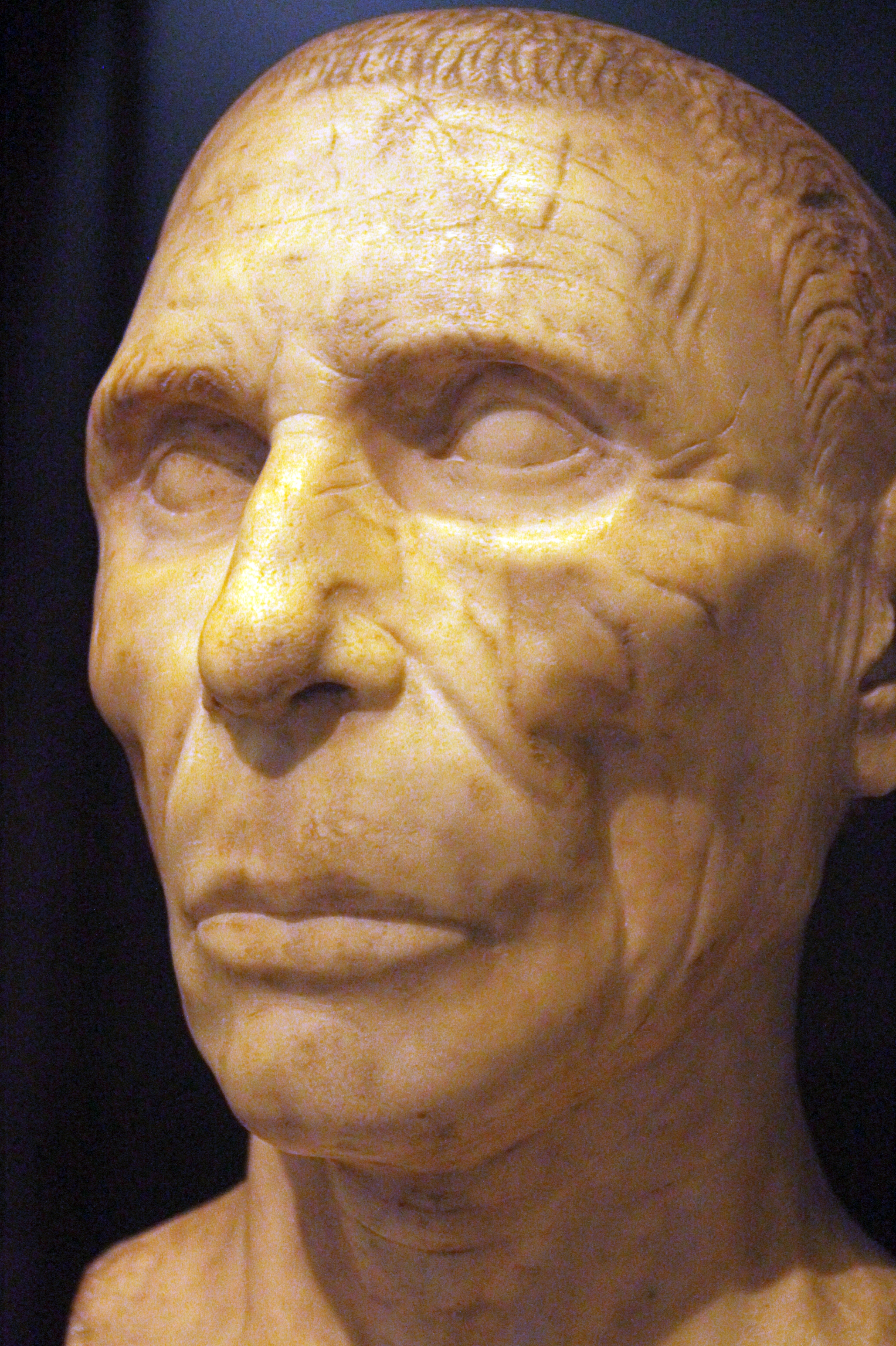
“Seneca outlined the periods of Roman history in “life-stages”. The first was her infancy under the king Romulus, who parented Rome and educated her. Then there followed a childhood under various kings thanks to whom the city grew and was shaped by many practices and institutions. Then, while Tarquin was king and Rome began to become more adult, it could not endure servitude and, once the yoke of arrogant rule was thrown off, preferred to heed laws instead of kings.

Once the Roman adolescence ended with the close of the Punic war,  it began to show the full strength of adulthood. For, when Carthage was subdued, that city which was an ancient rival for power, Rome extended her hands over the whole earth, both land and sea until every king and nation had bent to her power.

But, since there was no reason left for wars, Rome began to use her strengths poorly and wore herself out. This was the first step of old age: when Rome was wounded by civil wars and suffering from internal evil, she returned again to the practice of individual rule, as if she had devolved into a second infancy. Thus she lost the freedom which she defended when Brutus was its agent and champion and grew weak in old age, as if she had not the strength to support herself unless she could use the ‘cane’ of kings.”

Seneca Romanae urbis tempora distribuit in aetates; primam enim dixit infantiam sub rege Romulo fuisse, a quo et genita et quasi educata sit Roma, deinde pueritiam sub ceteris regibus, a quibus et aucta sit et disciplinis pluribus institutisque formata. At vero Tarquinio regnante, cum iam quasi adulta esse coepisset, servitium non tulisse, et reiecto superbae dominationis iugo maluisse legibus obtemperare quam regibus, cumque esset adulescentia eius fine Punici belli terminata, tum denique confirmatis viribus coepisse iuvenescere. Sublata enim Carthagine, quae diu aemula imperii fuit, manus suas in totum orbem terra marique porrexit, donec regibus cunctis et nationibus imperio subiugatis, cum iam bellorum materia deficeret, viribus suis male uteretur, quibus se ipsa confecit. Haec fuit prima eius senectus, cum bellis lacerata civilibus atque intestino malo pressa rursus ad regimen singularis imperii recidit quasi ad alteram infantiam revoluta. Amissa enim libertate, quam Bruto duce et auctore defenderat, ita consenuit tamquam sustentare se ipsa non valeret nisi adminiculo regentium uteretur.

Bust of an elderly Roman man, marble 40BC, Albertinum, Dresden

Everything Good Comes From Athens

Roger Ascham, The Scholemaster:

Athens, by this discipline and good ordering of yougthe, did breede vp, within the circute of that one Citie, within the compas of one hondred yeare, within the memorie of one mans life, so manie notable Capitaines in warre, for worthinesse, wisdome and learning, as be scarse matchable no not in the state of Rome, in the compas of those seauen hondred yeares, whan it florished moste.

And bicause, I will not onelie saie it, but also proue it, the names of them be these. Miltiades, Themistocles, Xantippus, Pericles, Cymon, Alcybiades, Thrasybulus, Conon, Iphicrates, Xenophon, Timotheus, Theopompus, Demetrius, and diuers other mo: of which euerie one, maie iustelie be spoken that worthie praise, which was geuen toScipio Africanus, who, Cicero douteth, whether he were, more noble Capitaine in warre, or more eloquent and wise councelor in peace. And if ye beleue not me, read diligentlie, Aemilius Probus in Latin, and Plutarche in Greke, which two, had no cause either to flatter or lie vpon anie of those which I haue recited.

And beside nobilitie in warre, for excellent and matchles masters in all maner of learninge, in that one Citie, in memorie of one aige, were mo learned men, and that in a maner altogether, than all tyme doth remember, than all place doth affourde, than all other tonges do conteine. And I do not meene of those Authors, which, by iniurie of tyme, by negligence of men, by crueltie of fier and sworde, be lost, but euen of those, which by Goddes grace, are left yet vnto us: of which I thank God, euen my poore studie lacketh not one. As, in Philosophie, Plato, Aristotle, Xenophon, Euclide and Theophrast: In eloquens and Ciuill lawe, Demosthenes, Aeschines, Lycurgus, Dinarchus, Demades, Isocrates, Isaeus, Lysias, Antisthenes, Andocides: In histories, Herodotus, Thucydides, Xenophon: and which we lacke, to our great losse, Theopompus and Ephorus: In Poetrie Aeschylus, Sophocles, Euripides, Aristophanes, and somwhat of Menander, Demosthenes sister sonne.

      Now, let Italian, and Latin it self, Spanishe, French, Douch, and Englishe bring forth their lerning, and recite their Authors, Cicero onelie excepted, and one or two moe in Latin, they be all patched cloutes and ragges, in comparison of faire wouen broade clothes. And trewelie, if there be any good in them, it is either lerned, borowed, or stolne, from some one of those worthie wittes of Athens.