“Rare indeed is there agreement of beauty and prudence”
rara est adeo concordia formae atque pudicitiae

ΕΥΔΟΞΑ ΑΓΝΩΣΤΑ ΚΑΤΑΓΕΛΑΣΤΑ

“Rare indeed is there agreement of beauty and prudence”
rara est adeo concordia formae atque pudicitiae
“There is will be and there has been no man
who has pleased everyone when he goes to Hades”
Οὐδεὶς ἀνθρώπων οὔτ’ ἔσσεται οὔτε πέφυκεν
ὅστις πᾶσιν ἁδὼν δύσεται εἰς ᾿Αίδεω·

Who is Theognis and what did Nietzsche think of him?
“All men make mistakes; but it is fools who persist in them”
cuiusvis hominis est errare; nullius nisi insipientis perseverare in errore
“For teetotalers the god has made all things difficult, nor do biting troubles flee in any other way”
siccis omnia nam dura deus proposuit neque
mordaces aliter diffugiunt sollicitudines
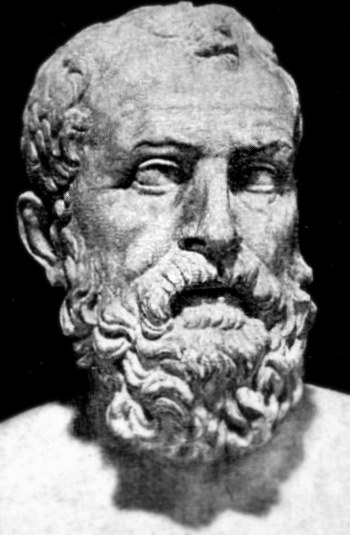
“I grow old but always learn many things ”
γηράσκω δ’ αἰεὶ πολλὰ διδασκόμενος
Solon Nomographos.
“We praise the old, while we neglect the present”
vetera extollimus recentium incuriosi

“I think that I am wiser by this very small bit: I don’t pretend to know what I don’t know.”
ἔοικα γοῦν τούτου γε σμικρῷ τινι αὐτῷ τούτῳ σοφώτερος εἶναι, ὅτι ἃ μὴ οἶδα οὐδὲ οἴομαι εἰδέναι.
The full text.

“Wait — small delays often hold great advantages”
differ: habent parvae commoda magna morae