Wondrous Wednesday: Some Wicked Waters

We posted previously about paradoxographical records of magical waters. Here are some more.

Paradoxographus Vaticanus, 10-13

10 “The Skamandros [river] makes hair light colored. This is why it is called Xanthus in Homer.”

῾Ο Σκάμανδρος ξανθὰς ποιεῖ τὰς τρίχας· ὅθεν καὶ Ξάνθος παρ’ ῾Ομήρῳ προσηγορεύθη.

11 “Antigonos says that the warm water in Hierapolis turns everything into stone—and when the water itself [ripens] it also becomes stone.”

᾿Αντίγονος τὸ μὲν ἐν ῾Ιεραπόλει θερμὸν ὕδωρ πάντα ἀπολιθοῦν φησι, καὶ αὐτὸ δὲ πέσσεσθαι καὶ λίθον γίνεσθαι.

12 “Theopompos says that among the Lungkêstai there is a certain bitter water which makes those who drink it drunk.”

Θεόπομπος ἐν Λυγκήσταις φησίν τι εἶναι ὕδωρ ὀξύ, ὃ τοὺς πίνοντας μεθύσκει.

13 “Herakleides says that there is a lake among the Sauromati which does not support any birds; any bird which approaches dies because of a smell. For this reason, indeed, [other lakes?] seem to be birdless throughout Italy.”

῾Ηρακλείδης [φησὶ] τὴν ἐν Σαυρομάταις λίμνην οὐδὲν τῶν ὀρνέων ὑπεραίρειν φησί, τὸ δὲ προσελθὸν ὑπὸ τῆς ὀσμῆς τελευτᾶν. ὃ δὴ καὶ περὶ τὴν ἄορνιν κατὰ τὴν ᾿Ιταλίαν δοκεῖ γίνεσθαι.

File:Piri Reis - Map of the River Nile From Its Estuary South - Google Art Project.jpg
Map of the River Nile from the Walters Art Museum

Crane Tricks and Tortoise Homes

Paradoxographus Vaticanus, 1-2 A few of these are really rough because the Greek does not make sense to me. Any suggestions are welcome

1 “Hegesias the Megarian says that there are cranes and whenever they are about to leave from Thrace, they are all sprinkled by one in a circle [?]. And then, whenever that one cries out, one is selected out as if a command were issued, and, after cleansing, it remains there. When they cross the sea, two stretch out their wings, but one goes beneath takes a break while resting upon them.”

῾Αγησίας ὁ Μεγαρεὺς τὰς γεράνους φησίν, ὅταν ἐκ τῆς Θρᾴκης ἀπαίρειν μέλλωσιν, ὑπὸ μιᾶς περιρραίνεσθαι κύκλῳ πάσας· εἶθ’ ὅταν βοήσῃ ἐκείνη, τὴς μὲν ἐξαίρειν καθαπερεὶ κελευστοῦ παραγγείλαντος, τὴν δ’ ἁγνίσασαν καταμένειν αὐτοῦ. ὅταν δὲ τὸ πέλαγος διαπεραιῶνται, δύο μὲν ἐκτείνειν τὰς πτέρυγας, τὴν δὲ γινομένην ὑπόκοπον ἐπὶ τούτων ἐφίζουσαν ἀναπαύεσθαι.

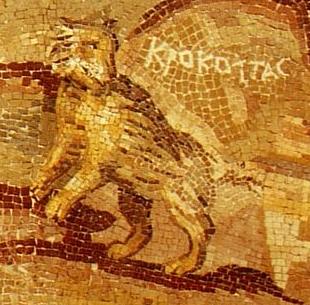
2 [Krokotta]

 3 “Politês says that damp-mud [pêla-muda] is made from mud in the Black sea. For this reason, he explains, it also has that name.”

Πολίτης τὴν πηλαμύδα ἐν τῷ Πόντῳ ἐκ πηλοῦ γίνεσθαί φησι· διὸ καὶ ταύτης τυχεῖν τῆς προσηγορίας λέγει.

 9“Polykleitos says that there are tortoises in the Ganges whose shell is just short of five measures large. Agatharkhides [claims] that they use these shells as as roofs for huts.”

Πολύκλειτος χελώνας γίνεσθαί φησιν κἂν τῷ Γάγγῃ, ὧν τὸ χελώνιον μεδίμνας χωρεῖν πέντε. ὁ ᾿Αγαθαρχίδης δὲ τοῖς χελωνίοις χρῆσθαι †πλήοις† ὡς ὀροφώμασι τῶν καλυβῶν.

Image result for medieval manuscript crane flock
Getty Museum on the Medieval Bestiary


Flammable Bones and Renewable Eyes: Some Amazing Animal Facts

Paradoxographus Vaticanus, 4-8

4 “Aristotle says in his work On Animals that all land animals have respiration—as many as have lungs—except for the wasp and bee which do not breathe. However many animals have a bladder also have bowels. But not all animals who have bowels also have a bladder.”

᾿Αριστοτέλης φησὶν ἐν τοῖς περὶ ζῴων τὰ χερσαῖα πάντα ἀναπνεῖν, ὅσα πνεύμονας ἔχει, σφῆκαν δὲ καὶ μέλισσαν οὐκ ἀναπνεῖν. ὅσα τε κύστιν ἔχει, πάντα καὶ κοιλίαν· οὐχ ὅσα δὲ κοιλίαν καὶ κύστιν.

5 “Many of the animals are bloodless, and and, in general they are animals who have more than four feet.”

῎Αναιμα πολλὰ τῶν ζῴων, καθόλου δὲ ὅσα πλείους πόδας ἔχουσι τῶν τεσσάρων.

6 “Fish do not have a throat[?]. For this reason, if a smaller fish is pursued by a bigger one, it pushes the stomach under the mouth [?]”

Οἱ ἰχθύες οὐκ ἔχουσι στόμαχον· διό, ἐὰν διώκηται ὁ ἐλάττων ὑπὸ μείζονος, ἄγει τὴν κοιλίαν ὑπὸ τὸ στόμα.

7 “Snakes have thirty ribs, and their eyes, if anyone strikes them, grow back again. The swallow’s qualities are similar.”

Οἱ ὄφεις πλευρὰς ἔχουσι τριάκοντα. καὶ τὰ ὄμματα αὐτῶν, ἐάν τις ἐκκεντήσῃ, πάλιν γίνονται, καθὰ καὶ τὰ τῶν χελιδόνων.

8 “The bones of a lion are so stiff that when they are struck often they burst into fire.”

Τοῦ λέοντος τὰ ὀστᾶ οὕτως εἰσὶ στερεά, ὥστε πολλάκις κοπτόμενα πῦρ ἐκλάμπειν.

Image result for medieval manuscript lion fire
British Library, Royal MS 12 C. xix, Folio 6r. Lion

Fantastic Friday: Festivals for Women and Different Marriage Customs

Paradoxographus Vaticanus, 25-28, 45

25 “Among the Iberians there is a tribe [and] and in a certain festival they honor women with gifts, however so many demonstrate at that time that they can weave the most numerous and beautiful cloaks.”

Παρὰ τοῖς ῎Ιβηρσιν ἔθνος ἐστὶ ἐν ἑορτῇ τινι τὰς γυναῖκας τιμῶν δώροις, ὅσαι ἂν πλεῖστα καὶ κάλλιστα ἱμάτια ὑφήνασαι τότε ἐπιδείξωσιν.

26 “Among the Krobuzoi it is the custom to mourn when an infant is born and consider the one who dies lucky”

Παρὰ Κροβύζοις ἔθος ἐστὶ τὸ μὲν γεννώμενον βρέφος θρηνεῖν, τὸν δὲ θανόντα εὐδαιμονίζειν.

27 “Among the Nasamoi in Libya it is the custom that on the first day a woman is married that she has sex with everyone who is present and then take gifts from them. After that, she has sex only with the one who marries her.”

Παρὰ Νασαμῶσι τοῖς ἐν Λιβύῃ νόμος ἐστὶ τὴν γαμουμένην τῇ πρώτῃ ἡμέρᾳ συγγίνεσθαι πᾶσι τοῖς παροῦσι καὶ παρ’ αὐτῶν δῶρα λαμβάνειν καὶ μετὰ τοῦτο τῷ γήμαντι μόνῳ μίγνυσθαι.

28 “The women of the Sauromatoi do not get married unless they kill an enemy man.”

Αἱ τῶν Σαυροματῶν γυναῖκες οὐ πρότερον γαμοῦνται, ἂν μὴ ἄνδρα κτάνωσι πολέμιον.

45 “The Liburnians have shared wives and they raise their children in common for five years. When they make it to the eighth year, they compare the children for their similarity to the men and they distribute to each one who is similar. And that one keeps him as a son.”

Λιβύρνιοι κοινὰς τὰς γυναῖκας ἔχουσι καὶ τὰ τέκνα ἐν κοινῷ τρέφουσι μέχρι ἐτῶν πέντε· εἶτα τῷ ἔκτῳ συνενέγκαντες ἅπαντα τὰ παιδία τὰς ὁμοιότητας πρὸς τοὺς ἄνδρας εἰκάζουσι, καὶ ἑκάστῳ τὸν ὅμοιον ἀποδιδόασι, καὶ λοιπὸν ἐκεῖνος ὡς υἱὸν ἔχει.

51 “The Assyrians sell their daughters in the marketplace to whoever wants to settle down with them. First the most well-born and most beautiful and then the rest in order. Whenever they get to the least attractive, they announce how much someone is willing to take to live with them and they add this consolation price from the fee charged for the desirable girls to these [last ones].”

᾿Ασσύριοι τὰς παρθένους ἐν ἀγορᾷ πωλοῦσι τοῖς θέλουσι συνοικεῖν, πρῶτον μὲν τὰς εὐγενεστάτας καὶ καλλίστας, εἶτα τὰς λοιπὰς ἐφεξῆς· ὅταν δὲ ἔλθωσι ἐπὶ τὰς φαυλοτάτας, κηρύττουσι πόσον τις θέλει προσλαβὼν ταύταις συνοικεῖν, καὶ τὸ συναχθὲν ἐκ τῆς τῶν εὐπρεπῶν τιμῆς ταύταις προστίθενται [ταῖς παρθένοις].

Image result for ancient greek wedding

Wednesday’s Wondrous Waters: Rivers from the Paradoxographus Vaticanus

Paradoxographus Vaticanus, 18-22

18 “There is a river Perinthos in Thrace where the city Perinthos is too. If anyone drinks from it, their internal organs swell [or develop tumors?]. The reason for this is that the drops from the Gorgon’s head flowed into it after it was carried off by Perseus.”

 ποταμὸς ἐν Θρᾴκῃ, ὅθεν καὶ Πέρινθος ἡ πόλις· ἐκ τούτου εἰ πίοι τις, τὰ σπλάγχνα ἐξογκοῦται. ῾Η δ’ αἰτία, ὅτι σταγόνες ἐκ τῆς κεφαλῆς Γοργόνος ἐν τούτῳ ἐρρύησαν βασταζομένης ὑπὸ Περσέως.

19 “Among the Kelainai of Phrygia there is a river Marsyas. When that one somehow hears an aulos, it crashes greatly; if it is a kithara, it flows in silence, since the the aulos-player Marsyas drowned in it.”

᾿Εν Κελαιναῖς τῆς Φρυγίας ποταμός ἐστι Μαρσύας· οὗτος ἔν πως αὐλοῦ ἀκούσῃ, βομβεῖ μέγα, ἢν δὲ κιθάρας, μετὰ σιγῆς ῥεῖ, ἀποπνιγέντος ἐν αὐτῷ Μαρσύου τοῦ αὐλητοῦ.

20 “The river Tauromenios is in Sicily near the city of the same name. When that river hears thunder, it is frightened and retreats into the earth; but when the thunder stops, it rushes back from the earth again like a spring.”

Ταυρομένιος ποταμός ἐστιν ἐν Σικελίᾳ παρὰ τὴν ὁμώνυμον πόλιν· οὗτος βροντῆς ἀκούων φοβεῖται καὶ καταδύεται εἰς τὴν γῆν, ἢν δὲ παύσηται ἡ βροντή, πάλιν ἄνεισιν ἐκ τῆς γῆς καθάπερ πηγή.

21 “A cold river named Akis flows through Sicily. It has muddy water during the summer, but during the winter it is fine and clear.”

Ποταμὸς ψυχρὸς ὄνομα <῎Ακις> διὰ τῆς Σικελίας ῥεῖ· οὗτος τοῦ μὲν θέρους ἰλυῶδες ἔχει ὕδωρ, τοῦ δὲ χειμῶνος καλόν τε καὶ διαυγές.

22 “Among the Lungkêsktai there is a spring. If anyone drinks from it, they get drunk.”

᾿Εν Λυγκήσταις κρήνη ἐστίν, ἀφ’ ἧς ἐάν τις πίῃ, μεθύσκεται.


Monstrous Monday: Another Horror to Fear from Antiquity

Paradoxographus Vaticanus 2

2 “Daliôn says in the first book of his Ethiopian Matters that there is an animal in Ethiopia called a krokotta. When that creature goes near backyards it hears people chattering, and especially the words/names of children. But when it goes out at night, it speaks words/names and the children who come out are devoured by it”

Δαλίων φησίν, ἐν τῇ πρώτῃ τῶν Αἰθιοπικῶν ἐν τῇ Αἰθιοπίᾳ θηρίον γίνεσθαι κροκότταν καλούμενον· τοῦτο ἐρχόμενον πρὸς τὰς ἐπαύλεις κατακούειν τῶν λαλουμένων, καὶ μάλιστα τὰ ὀνόματα τῶν παιδίων. νυκτὸς δὲ ἐρχόμενον λαλεῖ τὰ ὀνόματα καὶ ἐξερχόμενα τὰ παιδία καταβιβρώσκονται ὑπ’ αὐτοῦ.

Photios adds the following horror:

“[We should note the fact that] there is a creature in Ethiopia which is named krokottas which is like a combination of wolf and a dog, but it is more savage than both and is heavier in its face and at the end of its feet. It is also amazing for its boldness, and it is extremely capable compared to the rest in its teeth and its belly. For they also tear to pieces easily every type of bone and whatever they take up is consumed easily and their digestion is indescribable. In addition, while some of them have been described as imitating human language, we don’t believe it. Nevertheless, some have added that they call out people by name at night—and that they try to use a human voice in doing this—and then they gobble up whoever comes out as they fall upon them.”

     ῞Οτι ὁ κατὰ τὴν Αἰθιοπίαν ὀνομαζόμενος κροκόττας ἐστὶ μὲν ὡς ἐκ λύκου καὶ κυνὸς σύνθετον, ἀμφοῖν δὲ ἀγριώτερον καὶ πολλῷ βαρύτερον ἀπό τε τοῦ προσώπου καὶ τῶν ἄκρων ποδῶν, ἀλκῇ δὲ θαυμαστόν, ὀδοῦσι δὲ καὶ κοιλίᾳ δυνατώτατον τῶν ἄλλων. Καὶ γὰρ κατάγνυσιν εὐπόρως πᾶν ὀστοῦ γένος, καὶ τὸ διαιρεθὲν εὐθέως δεδαπάνηται, καὶ περὶ τὰς πέψεις ἀδιήγητον. Τοῦτο δὲ καὶ μιμεῖσθαί τινες τὴν ἀνθρωπίνην διάλεκτον διηγούμενοι ἡμᾶς μὲν οὐ πείθουσιν· ἐκεῖνοι δὲ καὶ τοῦτο προστιθέασιν, ὡς καὶ ἐξ ὀνόματος κατὰ τὰς νύκτας καλοῦντες, τοὺς δὲ ὡς ἐπ’ ἀνθρώπου φωνῇ προσιόντας, οἱ δὲ ἀθρόον ἐπεισπίπτοντες κατεσθίουσιν.

The crocotta shows up elsewhere as well (Pliny, Aelian, etc).

Some Miraculous Misogyny From the Ancient World

The following passages are from the Paradoxographus Vaticanus (Admiranda), one of a selection of ancient paradoxographical collections which are not widely available in translation. I have been working on completing full rough translations of the paradoxa this summer. The Florentinus  and Palatinus manuscripts are now translated as are the Historiae Mirabiles of Apollonios Paradoxographus.

Of the collections, the Vaticanus is the most interesting and strange. Here are a few sections that jumped out while I translated them today.

15 “In a certain part of the region before Olympos there are trees similar to a tender-leafed willow which people say were once virgins. They changed into these trees when they were fleeing Boreas who was lusting after them. Even to this day, if someone touches the leaves, people claim that the wind gets enraged and immediately blows with a fury and barely stops before the third day”

῎Εν τινι τῶν κατὰ τὸν ῎Ολυμπον δένδρα ἐστὶν ἰτέᾳ λεπτοφύλλῳ ἐοικότα, ἃ παρθένους γεγενῆσθαι ἱστοροῦσι· εἰς <δὲ> δένδρα ταύτας ἀμειφθῆναι τὸν Βορρᾶν φευγούσας ἐρῶντα. Καὶ νῦν ἔτι, εἴ τις θίγοι τῶν φυλλῶν, χολοῦσθαι τὸν ἄνεμον λέγουσι καὶ σφοδρὸν αὐτίκα πνεῖν καὶ μόλις διὰ τρίτης παύεσθαι.

16 “In the middle of Thrace there is a river which reveals women who have been corrupted through adultery. When their husbands have them drink from the water they also say ‘If you were not corrupted by that water, may you have a son; but if you were, have a daughter’ “

Μέστος ποταμὸς ἐν Θρᾴκῃ τὰς μοιχευομένας ἐξελέγχει, τῶν ἀνδρῶν ποτιζόντων αὐτὰς ἀπὸ τοῦ ὕδατος τούτου καὶ λεγόντων· «εἰ μὲν οὐκ ἐμοιχεύθης, ἄρρεν τέκοις, εἰ δ’ οὖν, θῆλυ.»

17 “And among the Germanoi, the Rhênos tests this: for if a child is immersed in it, if it was the product of adultery, it dies, if not, it lives.”

 Καὶ παρὰ Γερμανοῖς ὁ ῾Ρῆνος ἐλέγχει· ἐμβληθὲν γὰρ τὸ παιδίον εἰ μὲν μοιχευθείσης ἐστί, θνῄσκει, εἰ δ’ οὐ, ζῇ.

24 “The Keltoi, whenever there is scarcity or a famine, punish their women as if they are to blame for the evils.”

Οἱ Κελτοί, ὅταν ἢ ἀφορία ἢ λοιμὸς γένηται, τὰς γυναῖκας αὐτῶν κολάζουσιν ὡς αἰτίας τῶν κακῶν.

Image result for medieval manuscript river women
Splendor Solis “(Germany, 1582), British Library, London.

Or

Image result for gif monty python found a witch

Fantastic Friday 3: Truffles in Thunder and Other Things Worth Knowing

Apollonios the Paradoxographer is credited with a text of 51 anecdotes usually dated to the 3rd or 2nd century BCE.  Some of these translations are pretty rough, so suggestions and corrections are welcome.

46 “In the fifth book of his Natural Causes, Theophrastos says that the covering of beans when they are placed near the roots of trees dry out the things that are growing. He also adds that native birds who eat these things constantly become barren. Therefore, for this reason and eventually because of many others the Pythagoreans prohibited the use of the bean. For it makes someone flatulent, and dyspeptic, and brings us bad dreams.

46 Θεόφραστος ἐν τῇ ε′ τῶν φυτικῶν αἰτιῶν φησιν τὰ κελύφια τῶν κυάμων περὶ τὰς ῥίζας τῶν δένδρων περιτιθέμενα ξηραίνειν τὰ φυόμενα. καὶ αἱ κατοικίδιαι δὲ ὄρνιθες συνεχῶς ταῦτα ἐσθίουσαι ἄτοκοι γίγνονται. ὅθεν καὶ διὰ ταύτην τὴν αἰτίαν, τάχα δὲ καὶ δι’ ἄλλας οἱ Πυθαγόρειοι ἀπηγορεύκασιν τῷ κυάμῳ χρῆσθαι· καὶ γὰρ πνευματοποιὸν καὶ δύσπεπτον, καὶ τοὺς ὀνείρους τεταραγμένους ἡμῖν ἐμποιεῖ.

47 “Truffles become harder when there is continuous thunder, just as Theophrastos says in his work On Plants.”

47 Τὰ ὕδνα βροντῶν συνεχῶν γιγνομένων σκληρότερα γίγνεται, καθάπερ Θεόφραστος ἐν τῷ περὶ φυτῶν εἴρηκεν.

48“Theophrastos says in his work On Plants that when the frankincense plant is wrapped with cloths it hinders moths from implanting.”

48 Θεόφραστος ἐν τῷ περὶ φυτῶν φησιν· ἡ λιβανωτὶς βοτάνη συντιθεμένη μετὰ ἱματίων κωλύει σῆτας ἐγγίγνεσθαι.

50 “In his work On Plants, in the last part of the material, Theophrastos says that Eunomos, the Khian and purveyor of drugs, did not [cleanse himself/die] while drinking many doses of hellebore. Once, even, when together with his fellow craftsmen he took over 22 drinks in one day as he sat in the agora and he did not return from his implements. Then he left to wash and eat, as he was accustomed, and did not vomit. He accomplished this after being in this custom for a long time, because he started from small amounts until he got to so many large ones. The powers of all drugs are less severe for those used to them and for some they are even useless.”

50 Θεόφραστος ἐν τῷ περὶ φυτῶν, ἐν τῇ ἐσχάτῃ τῆς πραγματείας· Εὔνομος, φησίν, ὁ Χῖος, ὁ φαρμακοπώλης, ἐλλεβόρου πίνων πλείονας πόσεις οὐκ ἐκαθαίρετο. καὶ ποτέ, ἔφη, ἐν μιᾷ ἡμέρᾳ συνθέμενος τοῖς ὁμοτέχνοις περὶ δύο καὶ εἴκοσι πόσεις ἔλαβεν ἐν τῇ ἀγορᾷ καθήμενος καὶ οὐκ ἐξανέστη ἀπὸ τῶν σκευῶν <μέχρι δείλης>. τότε δ’ ἀπῆλθεν λούσασθαι καὶ δειπνῆσαι, ὥσπερ εἰώθει, καὶ οὐκ ἐξήμεσεν.

 τοῦτο δὲ ἔπραξεν ἐν πολυχρονίῳ συνηθείᾳ γεγονώς, ἀρξάμενος ἀπὸ ὀλίγων ἕως τοσούτων πόσεων.πάντων δὲ τῶν φαρμάκων αἱ δυνάμεις ἀσθενέστεραι τοῖς συνειθισμένοις, ἐνίοις δὲ καὶ ἄπρακτοί εἰσιν.

51 “This is a matter worth knowing which Aristotle mentions in his Natural Problems. He says that a person who has eaten and drunk weighs the same as when he is fasting. He tries to provide a reason for this occurrence.”

51῎Αξιον δὲ ἐπιστῆσαι πρᾶγμα <ὃ> ᾿Αριστοτέλης, ἐν τοῖς φυσικοῖς προβλήμασιν, εἴρηκεν· τὸν ἄνθρωπόν φησιν βεβρωκότα καὶ πεπωκότα τὸν αὐτὸν σταθμὸν ἄγειν καὶ ὅτε νήστης ὑπῆρχεν. πειρᾶται δὲ καὶ τὴν αἰτίαν τοῦ γιγνομένου ἀποδιδόναι.


Image result for medieval manuscript truffle
Tacuinum Sanitatis, 14th century

Fantastic Friday 2: “Lady-Killers” and Bee Funerals

Apollonios the Paradoxographer is credited with a text of 51 anecdotes usually dated to the 3rd or 2nd century BCE.  Some of these translations are pretty rough, so suggestions and corrections are welcome.

40 “Aristoxenos the scholar writes in his Life of Telestes (a very man he happened to meet in Italy) that he was undergoing sufferings at the time. Of these there was one as well which was the strangest event and it transpired concerning  the women.

For these women were ecstatic to the point that once they were sitting and dining because they were heeding someone who was bidding them, but then they leapt up and became unconquerable and ran out of the city.

To the Locrians and the Rhegians seeking a prophecy about the resolution of this sickness the god said that they had to sing the spring paeans for twelve days. For this reason there are many Paean-writers in Italy.”

40 ᾿Αριστόξενος ὁ μουσικὸς ἐν τῷ Τελέστου βίῳ φησίν, ᾧπερ ἐν ᾿Ιταλίᾳ συνεκύρησεν, ὑπὸ τὸν αὐτὸν καιρὸν γίγνεσθαι πάθη, ὧν ἓν εἶναι καὶ τὸ περὶ τὰς γυναῖκας γενόμενον ἄτοπον· ἐκστάσεις γὰρ γίγνεσθαι τοιαύτας, ὥστε ἐνίοτε καθημένας καὶ δειπνούσας ὡς καλοῦντός τινος ὑπακούειν, εἶτα ἐκπηδᾶν ἀκατασχέτους γινομένας καὶ τρέχειν ἐκτὸς τῆς πόλεως.

μαντευομένοις δὲ τοῖς Λοκροῖς καὶ ῾Ρηγίνοις περὶ τῆς ἀπαλ-λαγῆς τοῦ πάθους εἰπεῖν τὸν θεόν, παιᾶνας ᾄδειν ἐαρινοὺς [δωδεκάτης] ἡμέρας ξ′. ὅθεν πολλοὺς γενέσθαι παιανογράφους ἐν τῇ ᾿Ιταλίᾳ.

41 “Theophrastos says in the eighth book of his On Plants that the grass scorpion—which people call the lady-killer—attacks scorpions to drain them completely.”

41 Θεόφραστος, ἐν τῷ η′ περὶ φυτῶν, τὸ σκορπίον βοτάνιον —οἱ δὲ θηλυφόνον καλοῦσιν—ἐπιτιθέμενον τοῖς σκορπίοις ξηραίνειν αὐτοὺς εὐθέως.

42 “From what has been observed the wounds which scar the least happen to those who are pregnant, splenetic, or have enlarged veins and women who have white veins around their thighs.”

42 Τῶν παρατετηρημένων ἐστὶ τὸ δυσκατούλωτα ἕλκη γίγνεσθαι ταῖς τε κυούσαις καὶ σπληνικοῖς καὶ τοῖς κιρσοὺς ἔχουσιν καὶ ταῖς γυναιξίν, ὅσαις ἰξίαι περὶ τοὺς μηροὺς ἄν εἰσιν.

44 “Theophrastos in his work On Plants records about the Soloi of Kilikia near a river which is called the Pinaros where there was a battle of Alexander against Dareios, poppies grow without seeds. And, in general in Egypt, pomegranate seeds have the smell of wine.”

43 Θεόφραστος ἐν τῷ περὶ φυτῶν· περὶ Σόλους τῆς Κιλικίας παρὰ τὸν ποταμὸν τὸν λεγόμενον Πίναρον, οὗ ἡ μάχη ᾿Αλεξάνδρου πρὸς Δαρεῖον ἐγένετο, αἱ ῥόαι ἀπύρηνοι γίγνονται· δι’ ὅλου δ’ ἐ<ν Αἰγύπτῳ> οἱ κόκκοι τὸ οἰνίζον ἔχουσιν.

44 “In his books About Animals, Aristotle remarks that the bee dies after shedding its stinger. And then the bees carry it out of the beehive.”

44᾿Αριστοτέλης ἐν τοῖς περὶ ζῴων· ἡ μέλισσα, φησίν, ἀποβάλλουσα τὸ κεντρίον ἀποθνῄσκει, αἱ δὲ βαστάζουσιν ἔξω τοῦ σμηνιῶνος.

45 “From the observed things, there is also the burning of wicks on white flowers or wreaths so that these remain unfaded right up to dawn. And the garland-weavers make it.”

45 Τῶν παρατετηρημένων ἐστὶν καὶ τὸ τοῖς λευκοΐοις ἄνθεσιν ἢ στεφάνοις διὰ νυκτὸς λύχνους παρακαίεσθαι, ἵνα εἰς τὴν πρωίαν ταῦτα παραμένει ἀμάραντα. ποιοῦσι δὲ τοῦτο οἱ στεφανηπλόκοι.

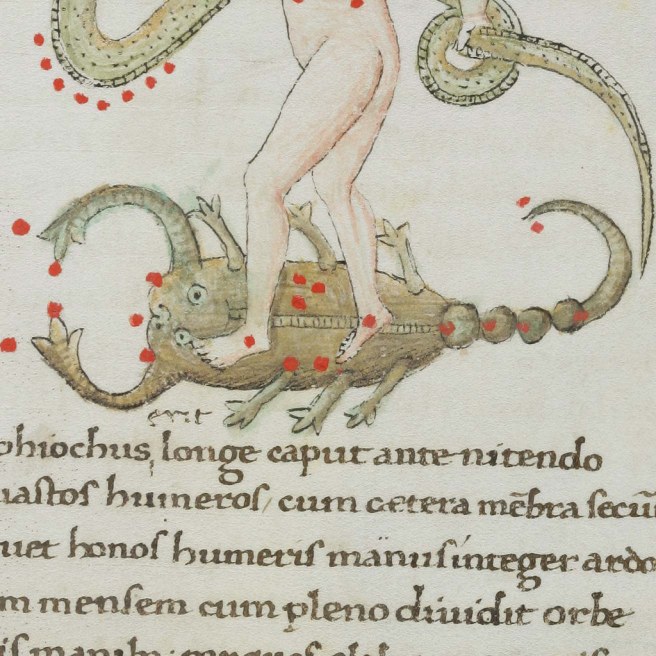
Image result for medieval manuscript scorpion
Image taken from this site.


Fantastic Friday: Magic Stones and Human Honey

Apollonios the Paradoxographer is credited with a text of 51 anecdotes usually dated to the 3rd or 2nd century BCE.  Some of these translations are pretty rough, so suggestions and corrections are welcome.

36 “Sotakos in his book On Stones records that there is a stone which is called Karystios which has outgrowths which are woolly and downy—from these hand-cloths are woven and spun. They also braid from these lampwicks which burn brightly and without burning out completely. The washing of these hand-cloths happens when they are covered in dirt and not in water, and then brush is burned and the cloth is placed on them. Then they become white and clean thanks to fire and are returned for use to the same women [?]. The candle wicks remain incompletely used up for all time as long as they are burned with olive oil.

The smell of the candlewicks as they burn makes people think they are about to fall. That stone is also in Karystos and took is name from the place, but there are many in Kypros [for those going up from the Gerander, as if  towards those traveling on the left of Elmaios below the cliffs. [Solous?]. This stone also increases during the full-moon and diminishes again as the moon wanes.”

36 Σώτακος ἐν τῷ περὶ λίθων· ὁ Καρύστιος, φησίν, λεγόμενος λίθος ἐπιφύσεις ἔχει ἐριώδεις καὶ χνοώδεις, ἐξ οὗ νήθεται καὶ ὑφαίνεται χειρεκμαγεῖα. στρέφουσι δὲ ἐξ αὐτοῦ καὶ ἐλλύχνια, καὶ ἔστιν καιόμενα λαμπρὰ καὶ ἀκατάκαυστα. τῶν δὲ ἐκμαγείων τῶν ῥυπαινομένων ἡ πλύσις γίγνεται οὐ δι’ ὕδατος, ἀλλὰ κληματὶς κάεται καὶ τότε τὸ ἐκμαγεῖον ἐπιτίθεται, καὶ ὁ μὲν ῥύπος ἀπορρεῖ, αὐτὸ δὲ λευκὸν καὶ καθαρὸν γίνεται ὑπὸ τοῦ πυρὸς καὶ πάλιν εἰς τὰς αὐτὰς ἐγχρήζει χρείας.  τὰ δ’ ἐλλύχνια μένει τὸν ἅπαντα χρόνον ἀκατάσβεστα καιόμενα μετ’ ἐλαίου.

δοκιμάζει δὲ καὶ τοὺς πτωματιζομένους ἡ ὀσμὴ τοῦ ἐλλυχνίου καιομένου.γίγνεται δὲ ὁ λίθος οὗτος καὶ ἐν Καρυστῷ μέν, ἀφ’ οὗ καὶ τοὔνομα ἔλαβεν, πολὺς δὲ ἐν Κύπρῳ, [καταβαινόντων] ἀπὸ τοῦ Γεράνδρου ὡς ἐπὶ Σόλους πορευομένοις ἐν ἀριστερᾷ <τῶν> τοῦ ᾿Ελμαίου ὑποκάτω πετρῶν. καὶ κατὰ τὸ πανσέληνον αὔξεται καὶ πάλιν φθίνοντος τοῦ σεληνίου μειοῦται καὶ ὁ λίθος.

37 “Aristotle in his natural problems writes: the respiration of [humpbacks?] goes heavily through the mouth. He also provides a reason for why this happens.”

37᾿Αριστοτέλης ἐν φυσικοῖς προβλήμασιν· τῶν κυρτῶν βαρεῖα ἡ ἀναπνοὴ διὰ τοῦ στόματος ἐξέρχεται. ἀποδέδωκεν δὲ καὶ τοῦ γιγνομένου τὴν αἰτίαν.

38 “Eudoxos the Knidian in the seventh book of his Circuit of the Earth [writes] there is a certain tribe in most of Libya which lies down beyond the Syrteoi and the Carthaginians near the West; these people are called the Guzantes. They practice a skill [whereby] they gather flowers in their regions to make honey so great and of such a kind that it is similar to that which is made by bees.”

38 Εὔδοξος δὲ ὁ Κνίδιος ἐν τῷ ζ′ γῆς περιόδου· ἔστιν ἐπὶ πλεῖστον ἐν Λιβύῃ τι ἔθνος, [ὃ] ὑπεράνω Σύρτεων τε καὶ Καρχηδόνος πρὸς ἀνατολὰς κείμενον, οἳ καλοῦνται Γύζαντες· οἵτινες τέχνην ἐπιτηδεύουσιν τὰ ἄνθη συλλέγοντες τὰ ἐν τοῖς τόποις μέλι ποιεῖν τοσοῦτον καὶ τοιοῦτον, ὥστε γίγνεσθαι οἷον τὸ ὑπὸ τῶν μελισσῶν γιγνόμενον.

39 “Aristotle writes in his Selections of Anatomies that there was a snake observed in Paphos with two feet similar to a land crocodile.”

39᾿Αριστοτέλης ἐν ταῖς ἐκλογαῖς τῶν ἀνατομῶν φησιν· ὄφις ὤφθη ἐν Πάφῳ πόδας ἔχων δύο ὁμοίους χερσαίῳ κροκοδείλῳ.

Image result for medieval manuscripts human bees
from The Hours of Catherine of Cleves, c.1440.