Gifts of Chicks and Shells: The Fragment of the Poet Hedyle

Antiquity has left us only one fragment of the iambic poet Hedyle. It is not iambic!

Athenaeus 7.297b

“Hêdulos, the Samian or Athenian, says that Glaukos threw himself in the sea after he fell in love with Melicertes. Hêdulê, his mother and the daughter of the Athenian Moskhinê, was a composer of iambic lines. In her poem called “Skylla”, she records that Glaukos went into his own cave after he fell in love with Skylla

“Either carrying shells as gifts
From the Erythaian cliff
Or halcyon chicks still unwinged
Presents for the girl from an anxious man.
His Siren girl neighbor felt pity
For he was swimming toward that beach
And the regions close to Aitna.”

Ἡδύλος δ᾿ ὁ Σάμιος ἢ Ἀθηναῖος Μελικέρτου φησὶν ἐρασθέντα τὸν Γλαῦκον ἑαυτὸν ῥῖψαι εἰς τὴν | θάλατταν. Ἡδύλη δ᾿ ἡ τοῦ ποιητοῦ τούτου μήτηρ, Μοσχίνης δὲ θυγάτηρ τῆς Ἀττικῆς ἰάμβων ποιητρίας, ἐν τῇ ἐπιγραφομένῃ Σκύλλῃ ἱστορεῖ τὸν Γλαῦκον ἐρασθέντα Σκύλλης ἐλθεῖν αὐτῆς εἰς τὸ ἄντρον

Σκύλλα
ἢ κόγχους δωρήματ’ ᾿Ερυθραίης ἀπὸ πέτρης
ἢ τοὺς ἀλκυόνων παῖδας ἔτ’ ἀπτερύγους
τῇ νύμφῃ δύσπιστος ἀθύρματα. δάκρυ δ’ ἐκείνου
καὶ Σειρὴν γείτων παρθένος ᾠκτίσατο·
ἀκτὴν γὰρ κείνην ἀπενήχετο καὶ τὰ σύνεγγυς
Αἴτνης.
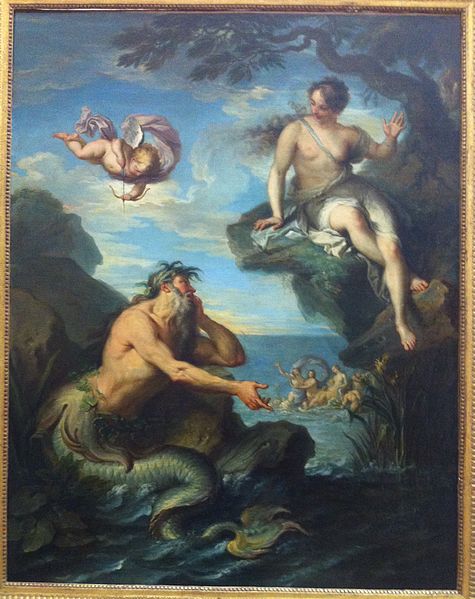
File:Glaucus et Scylla.jpg
Scylla and Glaucus

“A Beacon of Love or Hate”: An Epigram

Greek Anthology, 12.156, Anyonymous

“Just like a spring storm, Diodoros,
My love is decided by an uncertain sea.
Sometimes you show pouring rain, but at others
You are clear, and you pour a soft smile from your eyes.

So I, like the shipwrecked on the swell,
Measure out the blind waves as I spin,
Drawn here and there by the great storm.

But you, shine me a beacon of love or even hate
So I can know by which wave we should swim.”

Εἰαρινῷ χειμῶνι πανείκελος, ὦ Διόδωρε,
οὑμὸς ἔρως, ἀσαφεῖ κρινόμενος πελάγει·
καὶ ποτὲ μὲν φαίνεις πολὺν ὑετόν, ἄλλοτε δ᾿ αὖτε
εὔδιος, ἁβρὰ γελῶν δ᾿ ὄμμασιν ἐκκέχυσαι.
τυφλὰ δ᾿, ὅπως ναυηγὸς ἐν οἴδματι, κύματα μετρῶν
δινεῦμαι, μεγάλῳ χείματι πλαζόμενος.
ἀλλά μοι ἢ φιλίης ἔκθες σκοπὸν ἢ πάλι μίσους,
ὡς εἰδῶ ποτέρῳ κύματι νηχόμεθα.

Related image
Tristan and Iseult at Longy


If A Poem Is Written in the Forest….

Martial, 3.8

“Quintus Loves Thais, Which one? The One-eyd Thais.
She’s missing one eye but he’s lost two.”

Thaida Quintus amat. ‘quam Thaida?’ Thaida luscam.
unum oculum Thais non habet, ille duos.

3. 9

“Someone says Cinna writes little poems against me.
No one really writes if nobody reads their poems.”

Versiculos in me narratur scribere Cinna.
Non scribit, cuius carmina nemo legit.

Bonus Epigram from the Greek Anthology

11.252 Lucilius

“If you kiss me, you hate me. And if you hate me, you kiss me.
But if you don’t hate me, dearest friend, don’t kiss me!”

Εἴ με φιλεῖς, μισεῖς με· καὶ εἰ μισεῖς, σὺ φιλεῖς με·
εἰ δέ με μὴ μισεῖς, φίλτατε, μή με φίλει.

File:Marble plaque with epigram of Sopatros MET DP132678.jpg
Marble epigram of Sopatros

Against Mosquitoes, A Love Poem

Greek Anthology 5.151: Meleager to Zenophila, his lover

“Sharp-buzzing mosquitoes, shameless suckers
Of human blood, wing-borne predators of the night,
I beg you to leave Zenophila alone for a while to sleep
In peace. Come here, fill yourselves on my limbs.
Ah, but why do I uselessly cry out loud: Unfeeling beasts
Also delight to find warmth in her delicate skin.
But I am warning you, evil things, do not be bold
Or you will learn the power of my envious hands.”

5.151 ΜΕΛΕΑΓΡΟΥ
εἰς Ζηνοφίλαν τὴν αὐτοῦ ἐρωμένην
Ὀξυβόαι κώνωπες, ἀναιδέες αἵματος ἀνδρῶν
σίφωνες, νυκτὸς κνώδαλα διπτέρυγα,
βαιὸν Ζηνοφίλαν, λίτομαι, πάρεθ᾽ ἥσυχον ὕπνῳ
εὕδειν, τἀμὰ δ᾽, ἰδού, σαρκοφαγεῖτε μέλη.
καίτοι πρὸς τί μάτην αὐδῶ; καὶ θῆρες ἄτεγκτοι
τέρπονται τρυφερῷ χρωτὶ χλιαινόμενοι.
ἀλλ᾽ ἔτι νῦν προλέγω, κακὰ θρέμματα, λήγετε τόλμης,
ἢ γνώσεσθε χερῶν ζηλοτύπων δύναμιν.

These are bees, but they are still terrifying. From bestiary.ca

“A Beacon of Love or Hate”: An Epigram

Greek Anthology, 12.156, Anyonymous

“Just like a spring storm, Diodoros,
My love is decided by an uncertain sea.
Sometimes you show pouring rain, but at others
You are clear, and you pour a soft smile from your eyes.

So I, like the shipwrecked on the swell,
Measure out the blind waves as I spin,
Drawn here and there by the great storm.

But you, shine me a beacon of love or even hate
So I can know by which wave we should swim.”

Εἰαρινῷ χειμῶνι πανείκελος, ὦ Διόδωρε,
οὑμὸς ἔρως, ἀσαφεῖ κρινόμενος πελάγει·
καὶ ποτὲ μὲν φαίνεις πολὺν ὑετόν, ἄλλοτε δ᾿ αὖτε
εὔδιος, ἁβρὰ γελῶν δ᾿ ὄμμασιν ἐκκέχυσαι.
τυφλὰ δ᾿, ὅπως ναυηγὸς ἐν οἴδματι, κύματα μετρῶν
δινεῦμαι, μεγάλῳ χείματι πλαζόμενος.
ἀλλά μοι ἢ φιλίης ἔκθες σκοπὸν ἢ πάλι μίσους,
ὡς εἰδῶ ποτέρῳ κύματι νηχόμεθα.

Related image
Tristan and Iseult at Longy


Gifts of Chicks and Shells: The Fragment of the Poet Hedyle

Antiquity has left us only one fragment of the iambic poet Hedyle. It is not iambic!

Athenaeus 7.297b

“Hêdulos, the Samian or Athenian, says that Glaukos threw himself in the sea after he fell in love with Melicertes. Hêdulê, his mother and the daughter of the Athenian Moskhinê, was a composer of iambic lines. In her poem called “Skylla”, she records that Glaukos went into his own cave after he fell in love with Skylla

“Either carrying shells as gifts
From the Erythaian cliff
Or halcyon chicks still unwinged
Presents for the girl from an anxious man.
His Siren girl neighbor felt pity
For he was swimming toward that beach
And the regions close to Aitna.”

Ἡδύλος δ᾿ ὁ Σάμιος ἢ Ἀθηναῖος Μελικέρτου φησὶν ἐρασθέντα τὸν Γλαῦκον ἑαυτὸν ῥῖψαι εἰς τὴν | θάλατταν. Ἡδύλη δ᾿ ἡ τοῦ ποιητοῦ τούτου μήτηρ, Μοσχίνης δὲ θυγάτηρ τῆς Ἀττικῆς ἰάμβων ποιητρίας, ἐν τῇ ἐπιγραφομένῃ Σκύλλῃ ἱστορεῖ τὸν Γλαῦκον ἐρασθέντα Σκύλλης ἐλθεῖν αὐτῆς εἰς τὸ ἄντρον

Σκύλλα
ἢ κόγχους δωρήματ’ ᾿Ερυθραίης ἀπὸ πέτρης
ἢ τοὺς ἀλκυόνων παῖδας ἔτ’ ἀπτερύγους
τῇ νύμφῃ δύσπιστος ἀθύρματα. δάκρυ δ’ ἐκείνου
καὶ Σειρὴν γείτων παρθένος ᾠκτίσατο·
ἀκτὴν γὰρ κείνην ἀπενήχετο καὶ τὰ σύνεγγυς
Αἴτνης.

File:Glaucus et Scylla.jpg
Scylla and Glaucus

One Perpetual Sleep for Love Week: From Catullus to Marvell

Catullus, Carm. 5

“My Lesbia, let’s live and let’s love,
Let all the rumors of harsh old men
count for only a penny.
Suns can set and rise again:
but when our brief light sets
we must sleep a lonely endless night.
Give me a thousand kisses and then a hundred,
then another thousand and a second hundred,
And even then another thousand, a hundred more.
When we’ve had so many thousands,
we will mix them together so we don’t know,
so that no wicked man can feel envy
when he knows what a number of kisses there’ve been.”

Vivamus mea Lesbia, atque amemus,
rumoresque senum severiorum
omnes unius aestimemus assis!
soles occidere et redire possunt:
nobis cum semel occidit brevis lux,
nox est perpetua una dormienda.
da mi basia mille, deinde centum,
dein mille altera, dein secunda centum,
deinde usque altera mille, deinde centum.
dein, cum milia multa fecerimus,
conturbabimus illa, ne sciamus,
aut ne quis malus invidere possit,
cum tantum sciat esse basiorum.

Image result for medieval manuscript  love
From here

Continue reading “One Perpetual Sleep for Love Week: From Catullus to Marvell”

This Poem is Probably about Sex

Theognis, Elegies 949-954 

“Just like a lion confident in its strength I grabbed a fawn
From a doe with my hands but did not drink its blood.
After I climbed the high walls, I did not sack the city.
Although I yoked the horses to the chariot, I did not climb on board.
“Although I have acted, I have not done; Although I am done, I have not finished.
Although I have tried, I have not accomplished. While I have met success, I have not succeeded.”

νεβρὸν ὑπὲξ ἐλάφοιο λέων ὣς ἀλκὶ πεποιθὼς
ποσσὶ καταμάρψας αἵματος οὐκ ἔπιον·
τειχέων δ᾿ ὑψηλῶν ἐπιβὰς πόλιν οὐκ ἀλάπαξα·
ζευξάμενος δ᾿ ἵππους ἅρματος οὐκ ἐπέβην·
πρήξας δ᾿ οὐκ ἔπρηξα, καὶ οὐκ ἐτέλεσσα τελέσσας,
δρήσας δ᾿ οὐκ ἔδρησ᾿, ἤνυσα δ᾿ οὐκ ἀνύσας.

“The Lion Sleeps With His Eyes Open”

One Perpetual Sleep: From Catullus to Marvell

Catullus, Carm. 5

“My Lesbia, let’s live and let’s love,
Let all the rumors of harsh old men
count for only a penny.
Suns can set and rise again:
but when our brief light sets
we must sleep a lonely endless night.
Give me a thousand kisses and then a hundred,
then another thousand and a second hundred,
And even then another thousand, a hundred more.
When we’ve had so many thousands,
we will mix them together so we don’t know,
so that no wicked man can feel envy
when he knows what a number of kisses there’ve been.”

Vivamus mea Lesbia, atque amemus,
rumoresque senum severiorum
omnes unius aestimemus assis!
soles occidere et redire possunt:
nobis cum semel occidit brevis lux,
nox est perpetua una dormienda.
da mi basia mille, deinde centum,
dein mille altera, dein secunda centum,
deinde usque altera mille, deinde centum.
dein, cum milia multa fecerimus,
conturbabimus illa, ne sciamus,
aut ne quis malus invidere possit,
cum tantum sciat esse basiorum.

Continue reading “One Perpetual Sleep: From Catullus to Marvell”

Uncommon Love Needs: Be My Achilles, Please

“I have a wound from love: from it pours not blood
But tears and a scar will never close it.
I am undone by this evil and not even Makhaon
Could heal me by applying his gentle drugs.
I am Telephos, girl—be my faithful Achilles:
Stop this longing you caused with your beauty.”

Achilles, heal my wounds! (Vase Image: Achilles Heals Patroklos)

῞Ελκος ἔχω τὸν ἔρωτα· ῥέει δέ μοι ἕλκεος ἰχὼρ
δάκρυον, ὠτειλῆς οὔποτε τερσομένης.
εἰμὶ καὶ ἐκ κακότητος ἀμήχανος, οὐδὲ Μαχάων
ἤπιά μοι πάσσει φάρμακα δευομένῳ.
Τήλεφός εἰμι, κόρη, σὺ δὲ γίνεο πιστὸς ᾿Αχιλλεύς·
κάλλεϊ σῷ παῦσον τὸν πόθον, ὡς ἔβαλες.

A few notes to make this make sense: In the Iliad Makhaon is a healer who ministers to the wounded captains. In myth, Telephos, a son of Herakles, is wounded by Achilles’ spear and can only be healed by the man who hurt him. Achilles encounters Telephos at the beginning of the war when the Greeks mistakenly attack Mysia (believing it to be Troy!). He is later healed in exchange for leading the Greeks to Troy.

So, this odd epigram becomes a tad bit odder thanks to knowing the references. It is ascribed to a poet named Macedonius and is in book 5 of The Greek Anthology (the Erotic Epigrams).