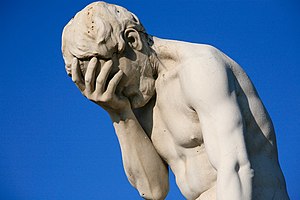
“I am super mad and whether or not it is right I’m not sure but I’m super mad. You know how unfair love is frequently, often powerless always quick to be offended. But my reason is still serious whether I believe it’s right and I am as mad as I would be if it were right since I have had no letter from you for such a long time.
The only solution to this is if you write me many really long letters right now. This is the only way I will forgive you. Other things seem fake. I won’t even hear “I was in Rome” or “I was busy”. But Gods forbid you say, “I’ve been sick.”
I’ve been in my country-house enjoying my two delights that come from leisure: reading and resting. Bye!”
Plinius Paulino Suo S.
1Irascor, nec liquet mihi an debeam, sed irascor. Scis, quam sit amor iniquus interdum, impotens saepe μικραίτιος semper. Haec tamen causa magna est, nescio an iusta; sed ego, tamquam non minus iusta quam magna sit, graviter irascor, quod a te tam diu litterae nullae. Exorare me potes uno modo, si nunc saltem plurimas et longissimas miseris. Haec mihi sola excusatio vera, ceterae falsae videbuntur. Non sum auditurus “non eram Romae” uel “occupatior eram”; illud enim nec di sinant, ut “infirmior”. Ipse ad villam partim studiis partim desidia fruor, quorum utrumque ex otio nascitur. Vale.
“I have just learned that Silius Italicus ended his life by starvation in Naples. Sickness was the cause of death, really: he had an untreatable tumor whose pain made him escape by death. He made it to his final day happy and fortunate, except that he lost his two younger songs. He left the older and better son successful and already of consular rank.
Silius harmed his reputation under Nero—for he was believed to have accused people willingly—but he conducted himself in his friendship with Vitellius wisely and with kindness. He earned some fame for his proconsulate in Asia and cleansed the stain of his earlier activity with a praiseworthy retirement.
He was among our top citizens without holding power or incurring envy. He was visited and much sought out, nearly always reclining on his couch in a room crowded not by accident. He filled his days with the most educated conversation whenever he took a break from writing. He used to write his poems more with effort than inspiration, and did not spare himself from critical judgment thanks to his recitations.
In recent years, he left Rome in a concession to old age. Once he made his home in Campania, he did not leave, not even for the coming of a new Emperor. This is reason for great praise for Caesar since he allowed this freedom and for Silius himself since he dared to take it.
He was a lover of things to the extent that he was mocked for excessive purchases. He owned multiple homes in the same neighborhood and overlooked the older ones in his excitement for the new ones. In each he had plenty books, statues, paintings and busts, each of which meant much to him, especially the one of Vergil, whose birthday he celebrated more religiously than his own, especially at Naples where he used to visit his grave as if it were a temple.
He completed his seventy-fifth year in this peaceful place. His body was solicitously tended even though he was not disabled. He was the final consul Nero appointed and the last of Nero’s consuls to die. It is remarkable that not only did Nero’s final consul die with him but that Nero died when he was consul!
Pity for human fragility fills me as I tell you this. Nothing is as brief and quick as the longest human life. Doesn’t it seem to you that Nero just died? But not one of the men who were consuls in his time remain alive today. I should not be so surprised! Only recently did Lucius Piso, the father of the Piso who was killed so evilly by Valerius Festus in Italy, used to say that none of those men he used to ask to speak when he was consul were still in the Senate!
The boundaries of life are so narrow that even in a community of great size I think we could forgive the Persian king for his famous tears—or maybe even admire him for them. For it is reported that after Xerxes reviewed his immense army, he wept when he thought that so many would die in so short a time.
This is why we should draw out our passing minutes with reading and writing, since we don’t have any control over them and action seems futile. Since we cannot live a long life, let us leave something to declare we have lived.
I know that you don’t need to be encouraged. But my concern for you still drives me to encourage you, like a horse eager to run, as you urge me in turn. Competition is good when friends push each other on with shared exhortations on the love of immortal memory.”
Plinius Caninio Rufo Suo S.
Modo nuntiatus est Silius Italicus in Neapolitano suo inedia finisse vitam. Causa mortis valetudo. Erat illi natus insanabilis clavus, cuius taedio ad mortem inrevocabili constantia decucurrit usque ad supremum diem beatus et felix, nisi quod minorem ex liberis duobus amisit, sed maiorem melioremque florentem atque etiam consularem reliquit. Laeserat famam suam sub Nerone (credebatur sponte accusasse), sed in Vitelli amicitia sapienter se et comiter gesserat, ex proconsulatu Asiae gloriam reportaverat, maculam veteris industriae laudabili otio abluerat.
Fuit inter principes civitatis sine potentia, sine invidia: salutabatur colebatur, multumque in lectulo iacens cubiculo semper, non ex fortuna frequenti, doctissimis sermonibus dies transigebat, cum a scribendo vacaret. Scribebat carmina maiore cura quam ingenio, non numquam iudicia hominum recitationibus 6experiebatur. Novissime ita suadentibus annis ab urbe secessit, seque in Campania tenuit, ac ne adventu quidem novi principis inde commotus est: magna Caesaris laus sub quo hoc liberum fuit, magna illius 8qui hac libertate ausus est uti.
Erat ϕιλόκαλος usque ad emacitatis reprehensionem. Plures isdem in locis villas possidebat, adamatisque novis priores neglegebat. Multum ubique librorum, multum statuarum, multum imaginum, quas non habebat modo, verum etiam venerabatur, Vergili ante omnes, cuius natalem religiosius quam suum celebrabat, Neapoli maxime, ubi monimentum eius adire ut templum solebat. In hac tranquillitate annum quintum et septuagensimum excessit, delicato magis corpore quam infirmo; utque novissimus a Nerone factus est consul, ita postremus ex omnibus, quos Nero consules fecerat, decessit. Illud etiam notabile: ultimus ex Neronianis consularibus obiit, quo consule Nero periit. Quod me recordantem fragilitatis humanae miseratio subit.
Quid enim tam circumcisum tam breve quam homini vita longissima? An non videtur tibi Nero modo modo fuisse? cum interim ex iis, qui sub illo gesserant consulatum, nemo iam superest. Quamquam quid hoc miror? Nuper L. Piso, pater Pisonis illius, qui a Valerio Festo per summum facinus in Africa occisus est, dicere solebat neminem se videre in senatu, quem consul ipse sententiam rogavisset.
Tam angustis terminis tantae multitudinis vivacitas ipsa concluditur, ut mihi non venia solum dignae, verum etiam laude videantur illae regiae lacrimae; nam ferunt Xersen, cum immensum exercitum oculis obisset, inlacrimasse, quod tot milibus tam brevis immineret occasus. Sed tanto magis hoc, quidquid est temporis futilis et caduci, si non datur factis (nam horum materia in aliena manu), certe studiis proferamus, et quatenus nobis denegatur diu vivere, relinquamus aliquid, quo nos vixisse testemur. Scio te stimulis non egere: me tamen tui caritas evocat, ut currentem quoque instigem, sicut tu soles me. ’Αγαθὴ δ’ ἔρις cum invicem se mutuis exhortationibus amici ad amorem immortalitatis exacuunt. Vale.
“Septicia as well, the mother of Ariminum’s Trachali, because she was angry with her sons, married Publicius who was already old, even though she could no longer have children, as an insult against them. Then she took both of them out of her will. When they appealed to him, the divine Augustus criticized both the woman’s marriage and her final allotments. He ordered that the sons have their mother’s inheritance and the dowry since she had not begun the marriage for the purpose of having children.
If Fairness herself were to judge this affair, could she have come up with a more just or more substantial opinion? You spurn the children you bore, make a sterile marriage, make a mess of a final will because of your malicious spirit, and you don’t blush to hand all your wealth over to a man whose body you climb under even when it has already been laid out like a corpse? So, since you acted like this, you are struck by divine lightning even among the damned!”
Septicia quoque, mater Trachalorum Ariminensium, irata filiis, in contumeliam eorum, cum iam parere non posset, Publicio seni admodum nupsit, testamento etiam utrumque praeteriit. a quibus aditus divus Augustus et nuptias mulieris et suprema iudicia improbavit: nam hereditatem maternam filios habere iussit, dotem, quia non creandorum liberorum causa coniugium intercesserat, virum retinere vetuit. si ipsa Aequitas hac de re cognosceret, potuitne iustius aut gravius pronuntiare? spernis quos genuisti, nubis effeta, testamenti ordinem malevolo animo confundis, neque erubescis ei totum patrimonium addicere cuius pollincto iam corpori marcidam senectutem tuam substravisti. ergo dum sic te geris, ad inferos usque caelesti fulmine adflata es.
“I have suffered the deepest bereavement, if it can be called bereavement when such a great man is gone. Corellius Rufus died and it was by his own will, a fact which hurts me even more. It is truly the most painful kind of death when it appears neither natural or according to fate.
When someone is overwhelmed in sickness and death carries them off too quickly, then there is some solace from the fact there was a reason for it. Deep logic—that force which replaces compulsion for the wise—certainly compelled Corellius, even though he still had many reasons to live: great fame and conscience, considerable authority, in addition to a daughter, wife, sister and grandchild and many real friends among them. Yet he was overwhelmed by such a long, unfair sickness that the value of living was overcome by the reasons for death.”
Plinius Calestrio Tironi Suo S.
1Iacturam gravissimam feci, si iactura dicenda est tanti viri amissio. Decessit Corellius Rufus et quidem sponte, quod dolorem meum exulcerat. Est enim luctuosissimum genus mortis, quae non ex natura nec fatalis videtur. Nam utcumque in illis qui morbo finiuntur, magnum ex ipsa necessitate solacium est; in iis vero quos accersita mors aufert, Corellium quidem summa ratio, quae sapientibus pro necessitate est, ad hoc consilium compulit, quamquam plurimas vivendi causas habentem, optimam conscientiam optimam famam, maximam auctoritatem, praeterea filiam uxorem nepotem 4sorores, interque tot pignora veros amicos. Sed tam longa, tam iniqua valetudine conflictabatur, ut haec tanta pretia vivendi mortis rationibus vincerentur.
To my friend Septicius Clarus, from your buddy Pliny:
You have often encouraged me to gather and publish any of my letters which I wrote with a little effort. I have done this, but without keeping them in chronological sequence but as they arrive to me, since I am not assembling a history. Now all we have left is for me not to regret taking your advice and you forgiving that I followed it! Here’s the way it will go: I will keep looking for letters that lie neglected still and will not hide any I add to them!
Goodbye!
Plinius Septicio <Claro> Suo S.
Frequenter hortatus es ut epistulas, si quas paulo curatius scripsissem, colligerem publicaremque. Collegi non servato temporis ordine (neque enim historiam componebam), sed ut quaeque in manus venerat. Superest ut nec te consilii nec me paeniteat obsequii. Ita enim fiet, ut eas quae adhuc neglectae iacent requiram et si quas addidero non supprimam. Vale.
“Moreover, this seems to be the strongest point to offer on why we believe that there are gods—the fact there is no people so savage, no one in the world so bestial, that no though of the gods touches his mind. While it is true that many people believe silly things about the gods—which customarily happens because of corrupted customs—still all people believe in divine power and divine nature. Furthermore, human conferences and consensus do not create this, nor is the idea affirmed by practices or laws, but in every matter the shared belief of all peoples must be considered a natural law.
Is there anyone who does not mourn the death of their loved ones because he believes that they have been deprived of life’s pleasures? Remove this belief and you will remove mourning. No one mourns for their own discomfort. People do feel pain, but the mourning and tears of sorrow come from that fact that we believe that a person whom we love has lost access to life’s pleasures and are aware of this. We are led by nature to believe this, not by any teaching or act of reason.”
Ut porro firmissimum hoc adferri videtur, cur deos esse credamus, quod nulla gens tam fera, nemo omnium tam est immanis, cuius mentem non imbuerit deorum opinio—multi de dis prava sentiunt, id enim vitioso more effici solet, omnes tamen esse vim et naturam divinam arbitrantur, nec vero id collocutio hominum aut consensus effecit, non institutis opinio est confirmata, non legibus, omni autem in re consensio omnium gentium lex naturae putanda est—quis est igitur qui suorum mortem primum non eo lugeat, quod eos orbatos vitae commodis arbitretur? Tolle hanc opinionem, luctum sustuleris. Nemo enim maeret suo incommodo: dolent fortasse et anguntur: sed illa lugubris lamentatio fletusque maerens ex eo est, quod eum, quem dileximus, vitae commodis privatum arbitramur idque sentire. Atque haec ita sentimus natura duce, nulla ratione nullaque doctrina.
“But now the people—in defense of their own wickedness—act against reason indeed. And so now, as unstable fancy flits turns full circle, that same thing happens as in elections in which those who selected people for office are also shocked that those very people are in office!
We approve the same things we criticize! This is the outcome of every judgment which gives preference to the majority.”
Nunc vero stat contra rationem defensor mali sui populus. Itaque id evenit quod in comitiis, in quibus eos factos esse praetores idem qui fecere mirantur, cum se mobilis favor circumegit. Eadem probamus, eadem reprehendimus; hic exitus est omnis iudicii, in quo secundum plures datur.
Ammianus Marcellinus, Constantius and Gallus 23-25
And since, as is natural in the world capital, the harsh diseases overpower so intensely that the profession of healing fails at treating them, the plan for safely is that no one will go to see a friend who suffers some disease like this. And some more cautious people add another salubrious remedy to this: slaves who have been sent to ask about the health of someone related to people who have this sickness are not allowed to enter the home before they have cleansed their body with a bath. This is how much they fear a sickness seen by other people.
But even when these practices are rather consistently performed, there are some people who, if they are invited to a wedding where gold might be offered to their open right hands, will run all the way to the Spoletium struggling, even though the strength of their limbs is weak from sickness.
But the mass of the poorest and lowest born people: some of them spend their entire nights in bars while some others haunt the shadows of the theater-awnings which Catullus during his aedileship was the first of all to have suspended as he emulated that Campanian corruption. Some of them play dice violently, sounding out foully when they draw air rapidly into their quivering nostrils; or, that thing they like most of all: they stand with their mouths agape from dawn to dusk in rain or shine analyzing the details of charioteers and the strengths and weaknesses of their horses.
And it is completely a surprise to see an uncountable crowd of plebians with a burning passion in their minds, hanging on what happens in the chariot races. These things and those like them allow nothing serious to happen at Rome.”
Et quoniam apud eos, ut in capite mundi, morborum acerbitates celsius dominantur, ad quos vel sedandos omnis professio medendi torpescit, excogitatum est adminiculum sospitale, nequi amicum perferentem similia videat, additumque est cautioribus paucis remedium aliud satis validum, ut famulos percontatum missos quem ad modum valeant noti hac aegritudine colligati, non ante recipiant domum, quam lavacro purgaverint corpus. Ita etiam alienis oculis visa metuitur Iabes.
Sed tamen haec cum ita tutius observentur, quidam vigore artuum imminuto, rogati ad nuptias, ubi aurum dextris manibus cavatis offertur, impigre vel usque Spoletium pergunt. Haec nobilium sunt instituta.
Ex turba vero imae sortis et paupertinae, in tabernis aliqui pernoctant vinariis, non nulli sub velabris umbraculorum theatralium latent, quae, Campanam imitatus lasciviam, Catulus in aedilitate sua suspendit omnium primus; aut pugnaciter aleis certant, turpi sono fragosis naribus introrsum reducto spiritu concrepantes; aut quod est studiorum omnium maximum ab ortu lucis ad vesperam sole fatiscunt vel pluviis, per minutias aurigarum equorumque praecipua vel delicta scrutantes.
Et est admodum mirum videre plebem innumeram, mentibus ardore quodam infuso, e dimicationum curulium eventu pendentem. Haec similiaque memorabile nihil vel serium agi Romae permittunt. Ergo redeundum ad textum.
“The death of the Helvidii sisters is so sad and bitter! Both from childbirth—each one died while giving birth to a daughter. I am super disturbed, and I do not grieve beyond reason: it seems so mournful to me because motherhood took these most honorable girls in the prime of their life. I feel awful as well for the fate of the infants who are born without mothers and for their noble husbands.
I mourn too on my own part. I have continued loving their father since he died as is proved in my actions and my publications since. Now only one of his three children remain, he alone supports and sustains a household which just a little time ago relied on many pillars.
My sorrow may grow quiet despite such trouble if fate will at least keep him safe, strong, and sound and an equal man to his father and his grandfather. I have more anxiety for his safety and habits now because he is alone. You know my heart’s trouble, you know my fear in love—it will not surprise you any less, then, that I fear more about one for whom I have more hope. Goodbye.”
C. Plinius Velio Ceriali Suo S.
Tristem et acerbum casum Helvidiarum sororum! Utraque a partu, utraque filiam enixa decessit. Adficior dolore, nec tamen supra modum doleo: ita mihi luctuosum videtur, quod puellas honestissimas in flore primo fecunditas abstulit. Angor infantium sorte, quae sunt parentibus statim et dum nascuntur orbatae, angor optimorum maritorum, angor etiam meo nomine. Nam patrem illarum defunctum quoque perseverantissime diligo, ut actione mea librisque testatum est; cui nunc unus ex tribus liberis superest, domumque pluribus adminiculis paulo ante fundatam desolatus fulcit ac sustinet. Magno tamen fomento dolor meus adquiescet, si hunc saltem fortem et incolumem, paremque illi patri illi avo fortuna servaverit. Cuius ego pro salute pro moribus, hoc sum magis anxius quod unicus factus est. Nosti in amore mollitiam animi mei, nosti metus; quo minus te mirari oportebit, quod plurimum timeam, de quo plurimum spero. Vale.
What I thought about each part of your book I sent you once I finished reading it. Now you can have my general judgment about the whole. It is a beautiful work, strong, sharp, deep; it is full of varied language with clear figures.
Its capacious nature will be equaled by the greatness of the praise you receive for it. In this work, you were driven as widely by your intelligence as your passion and each of these in turn has given the other strength: for your intelligence has added depth and magnitude to your passion while your passion has given your genius force and focus.
Plinius Novio Maximo Suo S.
Quid senserim de singulis tuis libris, notum tibi ut quemque perlegeram feci; accipe nunc quid de universis generaliter iudicem. Est opus pulchrum validum acre sublime, varium elegans purum figuratum, spatiosum etiam et cum magna tua laude diffusum, in quo tu ingenii simul dolorisque velis latissime vectus es; et horum utrumque invicem adiumento fuit. Nam dolori sublimitatem et magnificentiam ingenium, ingenio vim et amaritudinem dolor addidit. Vale